
24 October, 2024
How to Recover Quickly After Mommy Makeover Surgery
A mommy makeover is an excellent way for the mom to regain confidence that went with youth and elega
Read More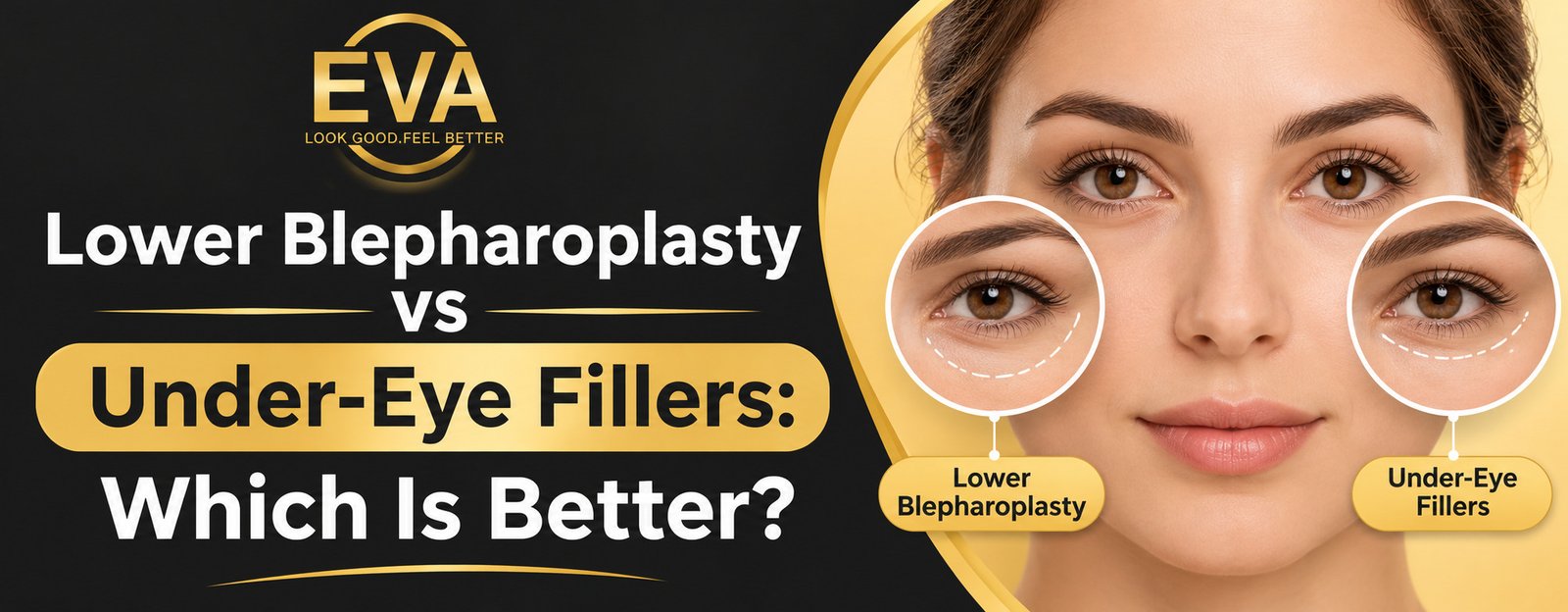
Dark circles, under-eye hollows and puffy bags can make your face look tired even when you feel refreshed. These concerns are common with ageing, genetics, changes in facial fat distribution and loss of skin elasticity.
Fortunately, modern aesthetic treatments offer different ways to improve the appearance of the under-eye area. Two popular options are lower blepharoplasty surgery in Delhi and under-eye fillers.
But which treatment is better? The answer depends on what is causing your under-eye concern, your facial anatomy, and the results you want.
In this guide, we will compare lower blepharoplasty and under-eye fillers to help you understand their differences, benefits, limitations and suitability.
Lower blepharoplasty in Delhi is cosmetic eyelid surgery that improves the appearance of the lower eyelids. It primarily treats prominent under-eye bags caused by fat protrusion, loose skin, and changes in the supporting tissues around the eyes.
During the procedure, a qualified plastic surgeon or oculoplastic surgeon carefully removes, repositions, or redistributes excess fat. If needed, the surgeon may remove or tighten loose skin.
Depending on the patient's anatomy, the surgeon may use one of the two approaches:
Lower blepharoplasty is particularly useful for people whose under-eye bags are caused by protruding fat rather than simple volume loss.
Under-eye fillers are nonsurgical injectable treatments, usually involving hyaluronic acid, a substance that retains moisture. They are primarily used to restore lost volume under the eyes.
As we age, the natural fat pads and supporting tissues around the eyes change. This can create hollows and shadows, which make dark circles more noticeable. A carefully selected filler can restore some lost volume, making under-eye areas appear smoother and more refreshed.
However, fillers do not remove excess skin or correct prominent fat pockets. They are also not suitable for every patient.
We are here to assist you
Although both treatments aim to improve the under-eye appearance, they work differently.
|
|
|
|
|
|
|
|
|
|
|
|
|
|
|
|
|
|
|
|
|
|
|
|
|
|
|
|
|
|
|
|
|
|
|
|
Which treatment is better for under-eye bags?
One of the biggest differences between lower blepharoplasty and under-eye fillers is how long the results last.
|
|
|
|
|
|
|
|
|
|
|
|
|
|
|
|
|
|
Before choosing between lower blepharoplasty and under-eye fillers, consider the following factors:
The best approach is to consult an experienced plastic surgeon in Delhi, Dr Hiranmayi Jha. She specialises in blepharoplasty services, including:
Book a consultation with Dr Hiranmayi Jha today

Dr. Hiranmayi Jha has worked in important roles at Max Saket and Indraprastha Apollo hospitals. Not only that, she was also a consultant at Sarvodaya and UPHI hospitals in Delhi. She is a believer in an idea that she shares with her patients “Human Beauty is Health Visible.”
Her expertise lies in various aesthetic and reconstructive surgeries, with a special focus on cosmetic procedures such as body contouring (like VASER, which is a type of ultrasonic liposuction), tummy tucks, breast surgeries, rhinoplasty, hair transplants, facelifts, and facial rejuvenation. She is also skilled in non-surgical cosmetic treatments, including P therapy, dermal fillers, chemical peels, and various laser treatments that are suitable for different skin conditions.

A mommy makeover is an excellent way for the mom to regain confidence that went with youth and elega
Read More
Corrections to improve eyelids can be achieved through eyelid surgery. It can remove excess skin and
Read More
Many women have faced the dilemma of whether to upgrade or reshape the breast either through surgica
Read More
Tummy tuck (abdominoplasty) surgery is said to be one of the most popular aesthetic surgical procedu
Read More
When most people are confused about whether to opt for liposuction or tummy tuck, it's even more
Read More
Laser hair reduction this is actually one of the most popular hair removal techniques currently. It
Read More
Gynecomastia is the medical term for a condition in which men begin growing breast tissue as it incr
Read More
More and more hair transplantation has been a very popular solution for hair loss. It gives back hai
Read More
Motherhood is a wonderful experience, but it brings many changes to a woman's body. While these
Read More
Rhinoplasty, commonly known as a nose job, is one of the most popular cosmetic surgeries available.
Read More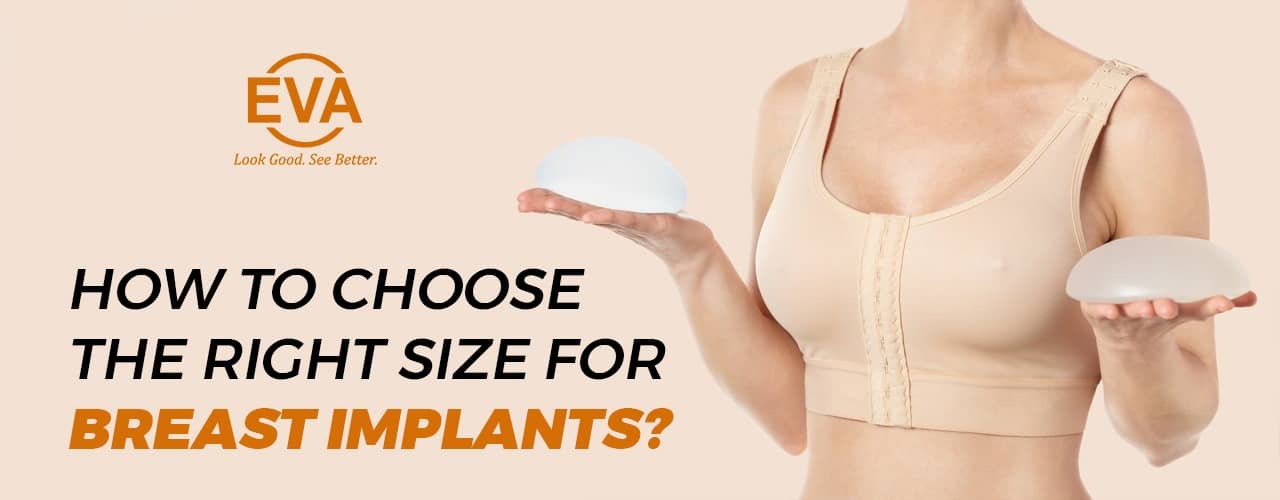
Selecting the right breast implant size is a significant decision, impacting not just your appearanc
Read More
Blepharoplasty, commonly known as eyelid surgery, is a procedure designed to remove excess skin or f
Read More
Laser hair reduction has become a very popular method to eliminate unwanted hair from the body. The
Read More
Abdominoplasty, more appropriately known as tummy tuck surgery, is one of the most common aesthetic
Read More
Gynecomastia is a condition whereby men have enlarged breasts. This can take place at any age. Somet
Read More
Liposuction is one of the most popular ways to extract excess fat from your body so that you get the
Read More
Being a mother is one of the most beautiful experiences any woman can have, but the process takes a
Read More
For most people, unwanted body hair is a pervasive problem. Shaving brings the stubble back instantl
Read More
For most, liposuction is just that-remaking one's body and showing off a smoother, more defined
Read More
Congratulations! You've reached the three-month mark beyond your tummy tuck, and you're prob
Read More
Of the plastic surgeries out, rhinoplasty reshapes, resizes, and redefines the nose, giving it a new
Read More
Gynecomastia surgery is a medical procedure tailored to help men with enlarged breasts. This could b
Read More
Breast implant surgery is chosen by many women to enhance their appearance. Now, one of the
Read More
Blepharoplasty is better known as eyelid surgery. It is a cosmetic operation that enables one to loo
Read More
When thinking about the methods of hair removal, you might have come across the terms laser hair rem
Read More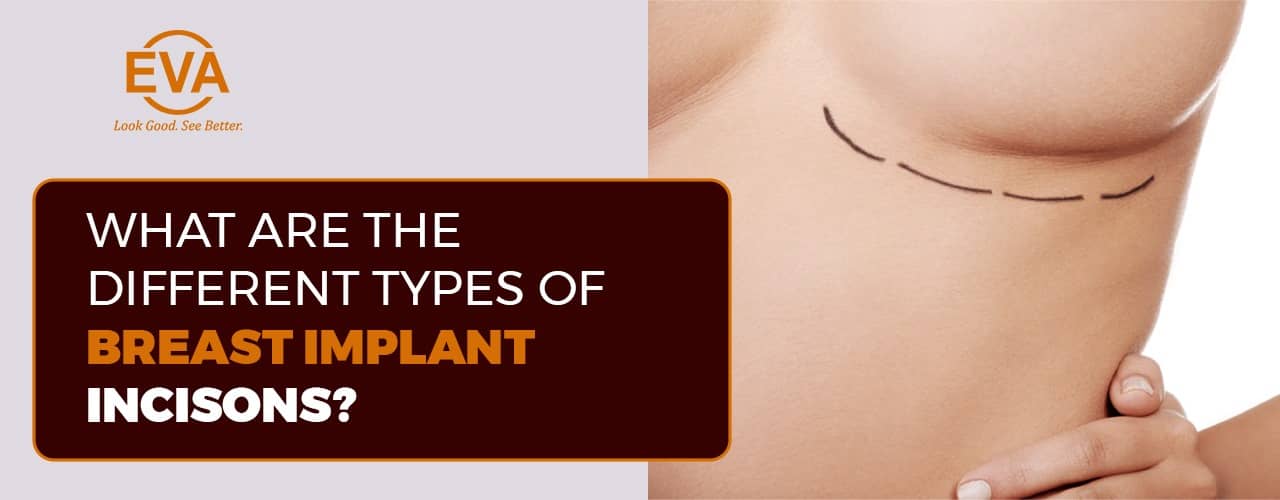
Maybe one of the main choices you and your plastic specialist will make before a breast implant is w
Read More
Decrease chest area in a more usually/commonly and regularly known as chest decrease which is a medi
Read More
Gynecomastia is a sickness represented by an enlarged or extended chest in men, often bringing about
Read More
Aesthetic surgery of the nose commonly called a nose job is one of the most common surgeries. It can
Read More
What is the process of Tummy Tuck? A tummy tuck is a surgery that aims to solve
Read More
The process of hair loss is somewhat stressful. There is a conviction among individuals for the hair
Read More
It is quite common for individuals to have areas of fat that seem to be impossible to remove through
Read More
Liposuction, a widely popular cosmetic procedure, aims to remove excess fat from specific areas of t
Read More
The method of hair transplantation has gradually been adopted as a common remedy for hair loss probl
Read More
An abdominoplasty or tummy tuck is a plastic surgery technique aimed at remodelling the abdomen by r
Read More
Breast implant surgery is a widely-known cosmetic treatment, which at the same time comes with a lot
Read More
Vitamin C is a nutrient that is irreplaceable, it is integral to many physiological processes. It is
Read More
For men, when the situation arises where the chest appears to be unbalanced due to breast tissue enl
Read More
Motherhood is a marvellous path with the most overwhelming joy and hardship. Happiness is a great mo
Read More
Liposuction has become a safe and effective method of sculpting the body. Nevertheless, you have to
Read More
Liposuction surgery in Delhi is a popular cosmetic procedure because it can effectively target
Read More
Blepharoplasty, which is the medical term for eyelid surgery, can be used to treat a multitude of pr
Read More
Breast surgery can be a transformative experience for women, giving them the chance to treat a varie
Read More
Gynecomastia surgery in Delhi sometimes referred to as male breast reduction surgery, is a reco
Read More
A common option for getting smooth, hair-free skin is laser hair reduction. But skin type is a commo
Read More
For those who are losing their hair, hair transplantation has become a life-changing option that can
Read More
A surgical procedure called a breast lift surgery, or mastopexy, aims to lift and reshape saggi
Read More
Innovative ways to fight the signs of aging are provided by a variety of anti-aging treatments, as t
Read More
A common option for getting smooth, hair-free skin is laser hair removal. But in the middle of all t
Read More
Blepharoplasty, also referred to as eyelid surgery, is a procedure that addresses puffiness, excess
Read More
Coolsculpting and liposuction are two procedures that are frequently prioritized when it comes to cr
Read More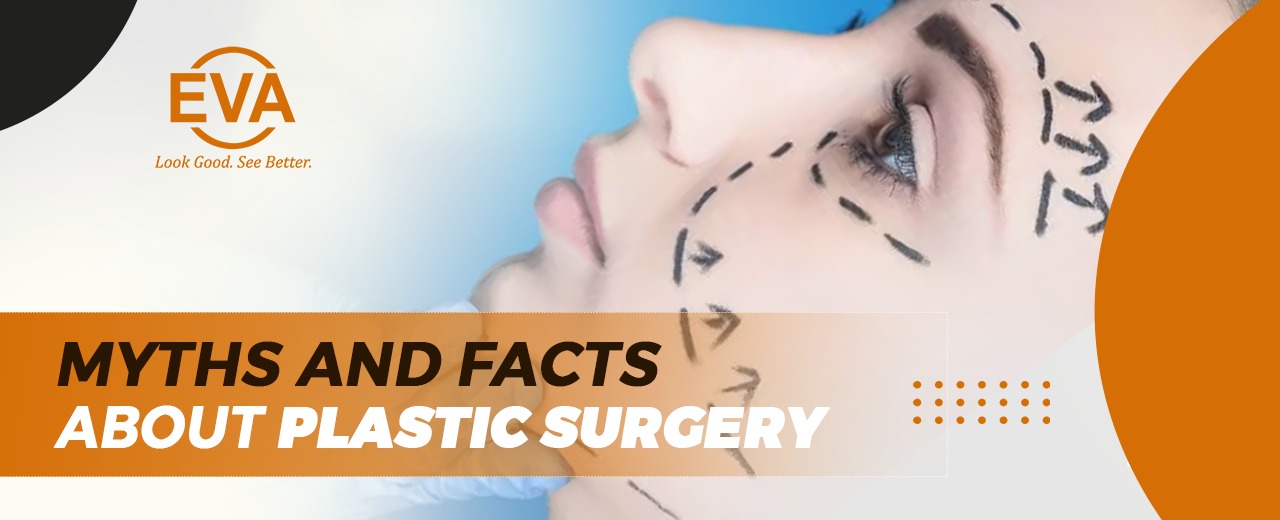
The practice of plastic surgery, which is frequently hidden in mystery and misinformation, has grown
Read More
In the journey towards achieving that youthful glow, many individuals explore various cosmetic proce
Read More
Symptoms, Causes & Treatment of Diastasis Recti Diastasis recti is the term for the separatio
Read More
A common cosmetic procedure called liposuction surgery in Delhi is intended to eliminate h
Read More
Today, we're diving into a topic that many men might find relevant and essential – Gynecom
Read More
Age is no hurdle to the desire for a more toned, smoother tummy. But deciding to have an abdominopla
Read More
Chemical peels are now a well-liked cosmetic procedure for skin renewal, treating a range of skin is
Read More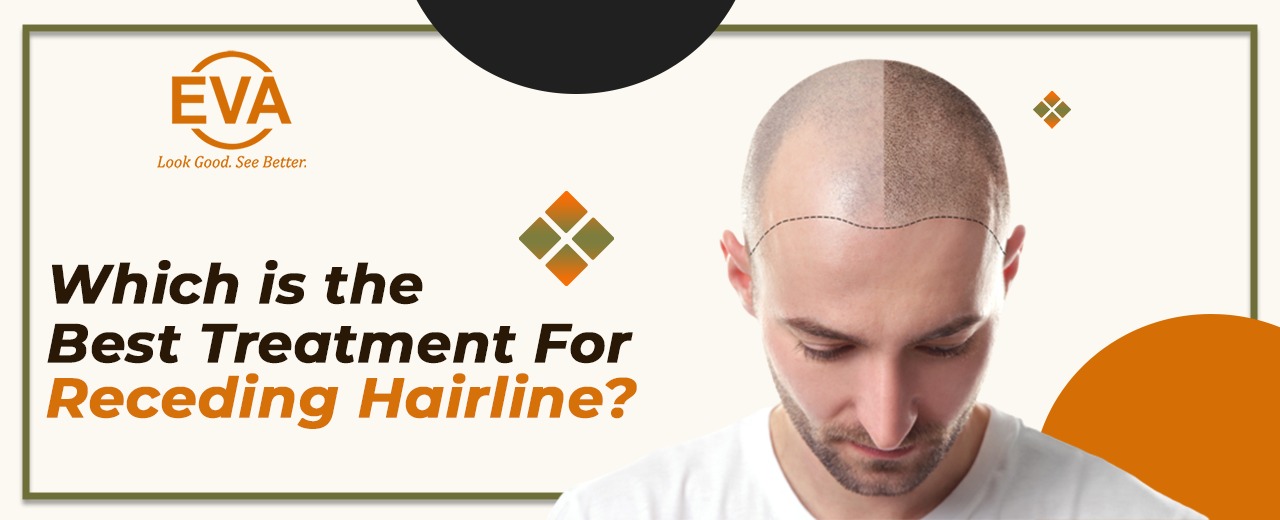
Looking in the mirror, the first thing most people check is their hair. Having thick, full hair is a
Read More
Gynecomastia is a condition that affects a significant number of men, causing the enlargement of bre
Read More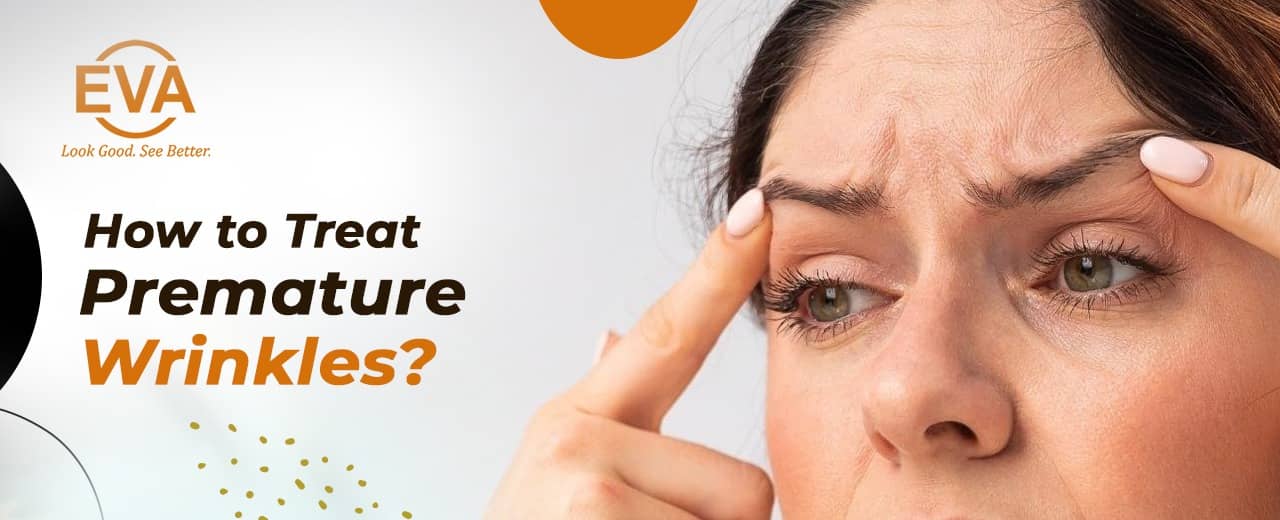
Wrinkles develop because of the natural loss of collagen and suppleness in our skin as we age. As yo
Read More
The process of laser hair removal involves using a laser to remove unwanted hair. It can b
Read More
Breast lift surgery, commonly known as mastopexy, is a plastic surgical treatment that changes
Read More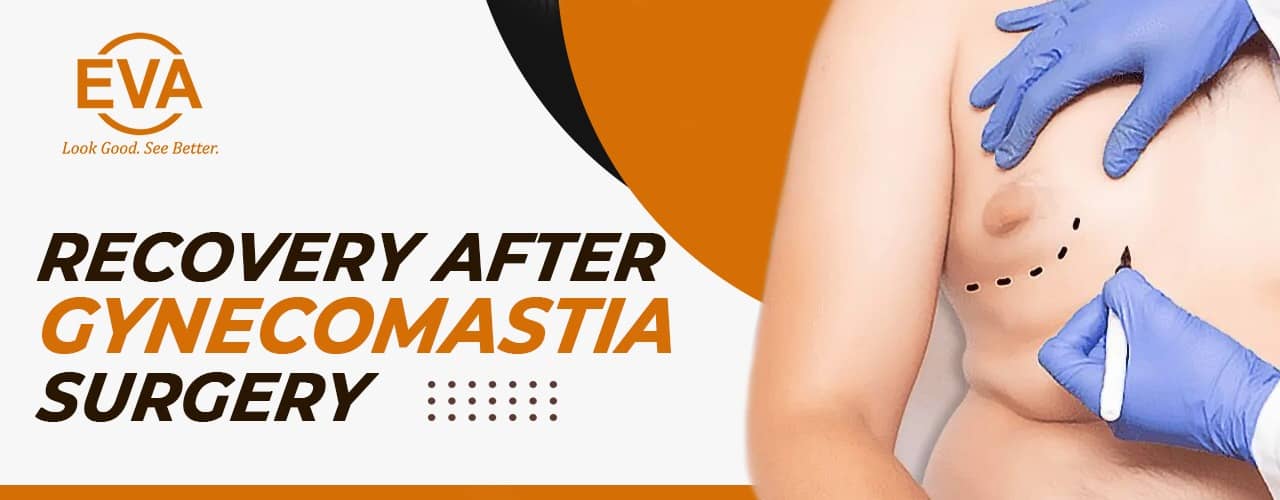
When it comes to top gynecomastia surgery in Delhi, a surgeon has complete control over th
Read More
Are you thinking about rhinoplasty, also known as a nose job, to change the way your nose
Read More
Blepharoplasty commonly known as eyelid surgery, is a cosmetic procedure designed to enhance th
Read More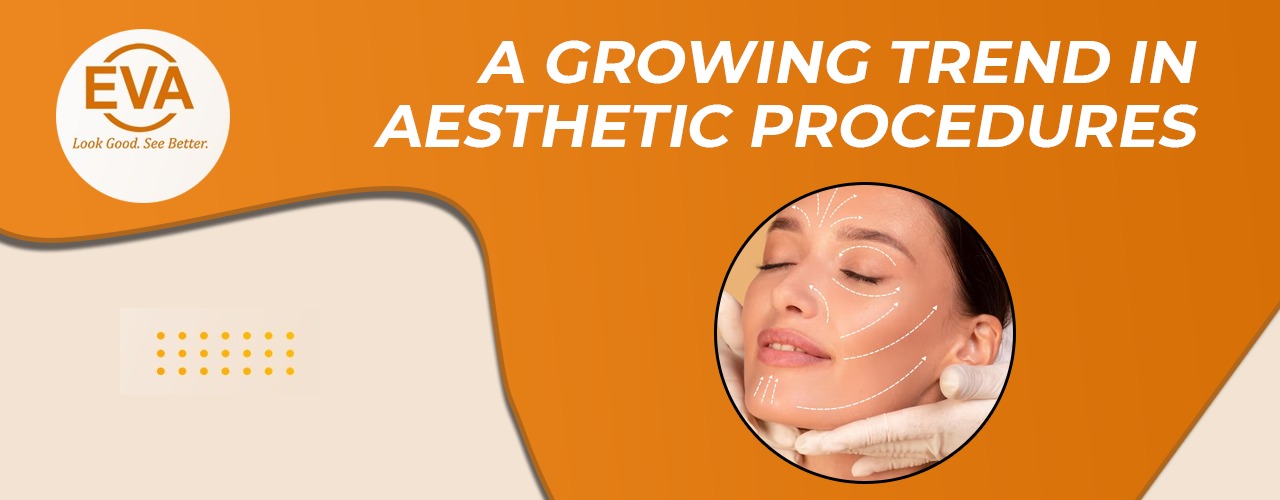
Aesthetic medicine is a rapidly growing field and increasing science that continually brings new tre
Read More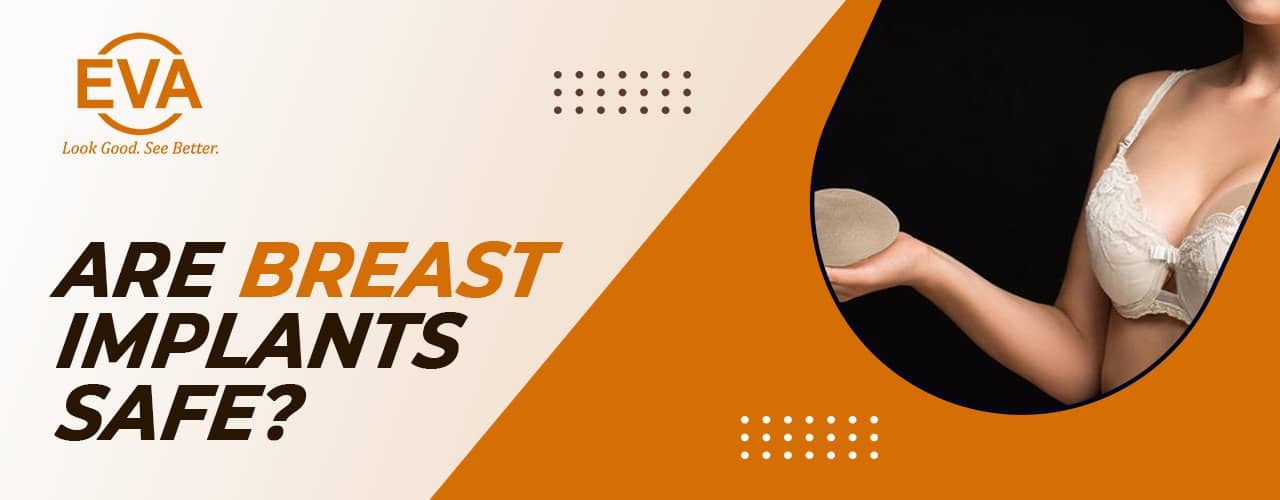
Breast implants, commonly known as augmentation, are used by people who want larger breasts. Br
Read More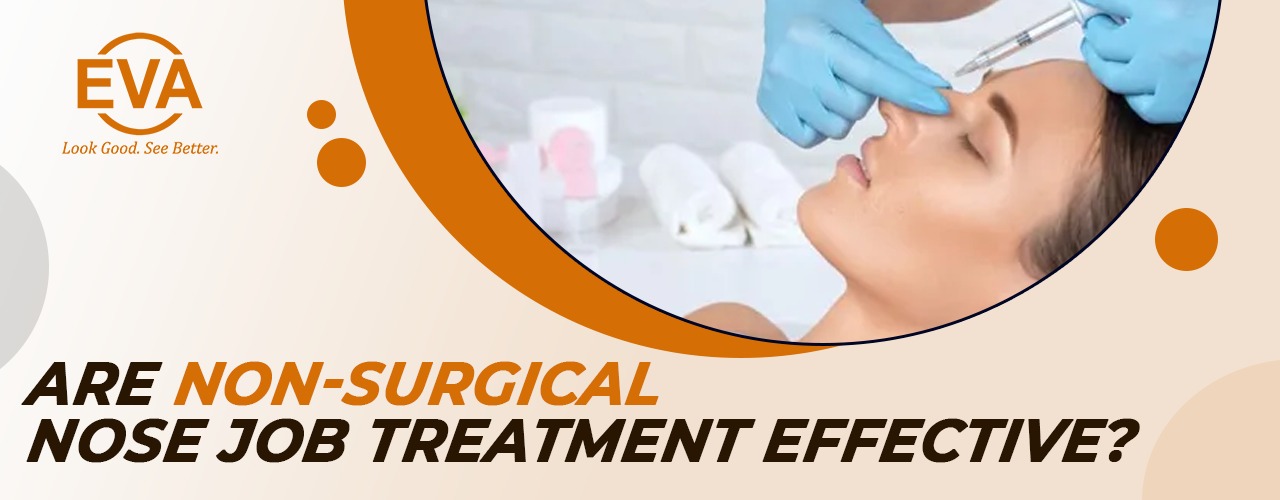
Is it possible to have a non-surgical nose job? This is a common question among people who want to m
Read More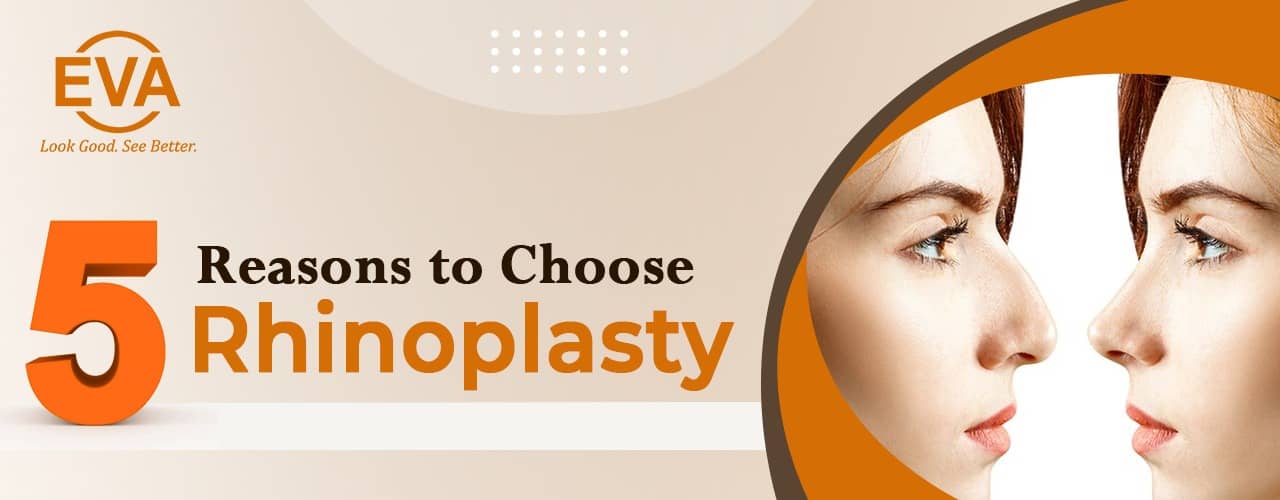
Are you unhappy with the size of your nose? Or perhaps you have a breathing problem that needs to be
Read More
One of the most prevalent and popular cosmetic plastic surgery treatments is rhinoplasty, often know
Read More
Can liposuction cure obesity since it removes fat from the body? And, if the fat eliminated may be r
Read More
Breast reduction surgery, also known as mammoplasty surgery, is a transformative procedure that help
Read More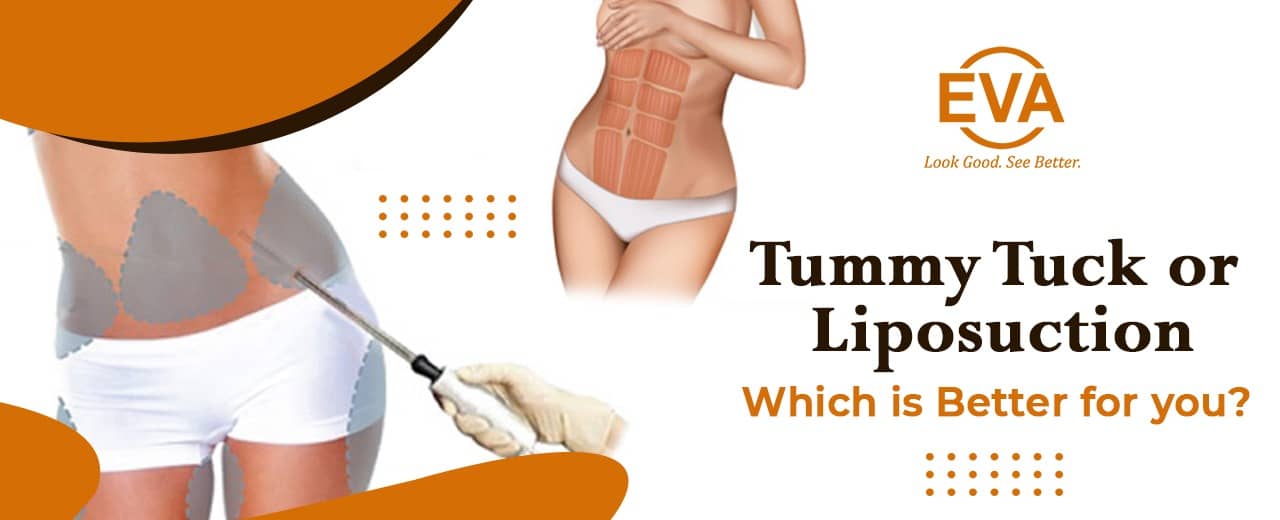
Are you looking to achieve a flatter and more contoured abdomen? There are two popular cosmetic proc
Read More
In the age of social media, certain beauty standards have become widely established. Women nowadays
Read More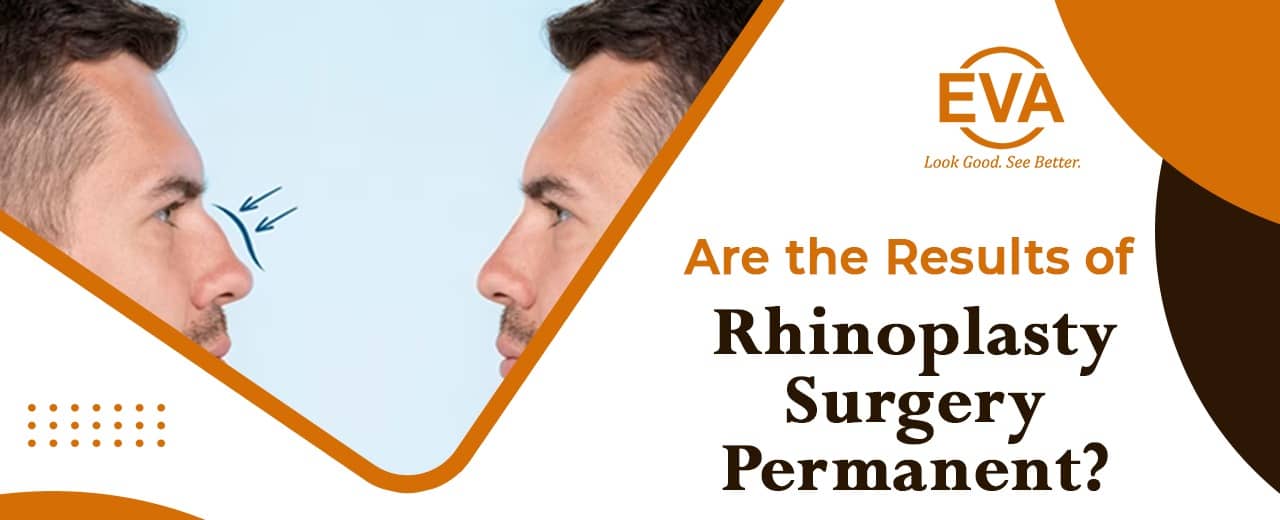
Rhinoplasty surgery is popularly known as a nose job. It is one of the most popular cosmetic procedu
Read More
Liposuction surgery is a popular cosmetic procedure that involves the removal of excess fat from dif
Read More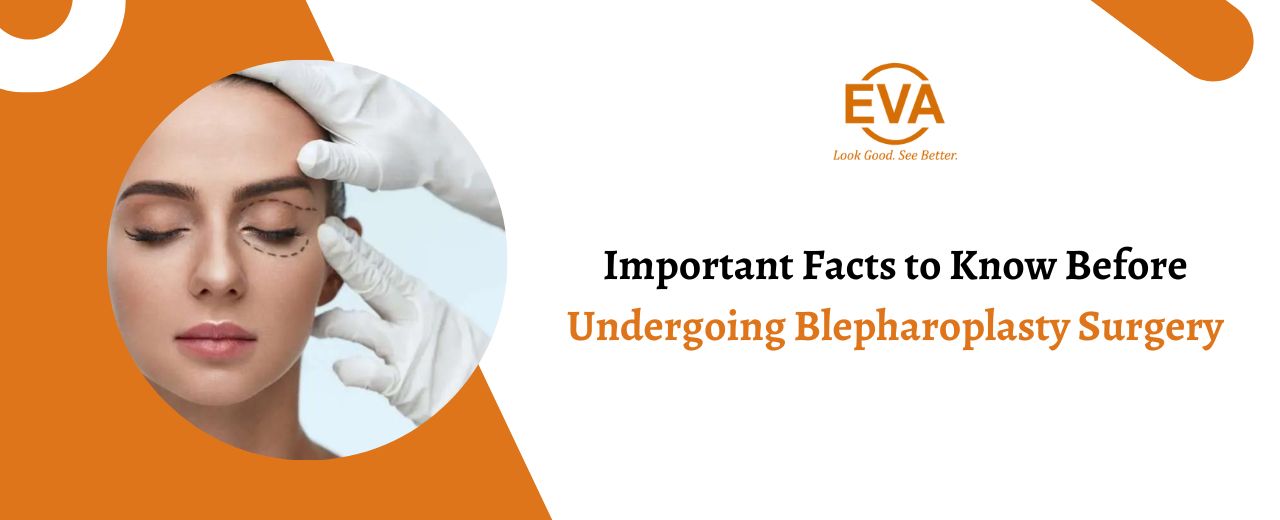
Your eyes are the windows to your soul; if they're filled with sagging eyelids or bags under the
Read More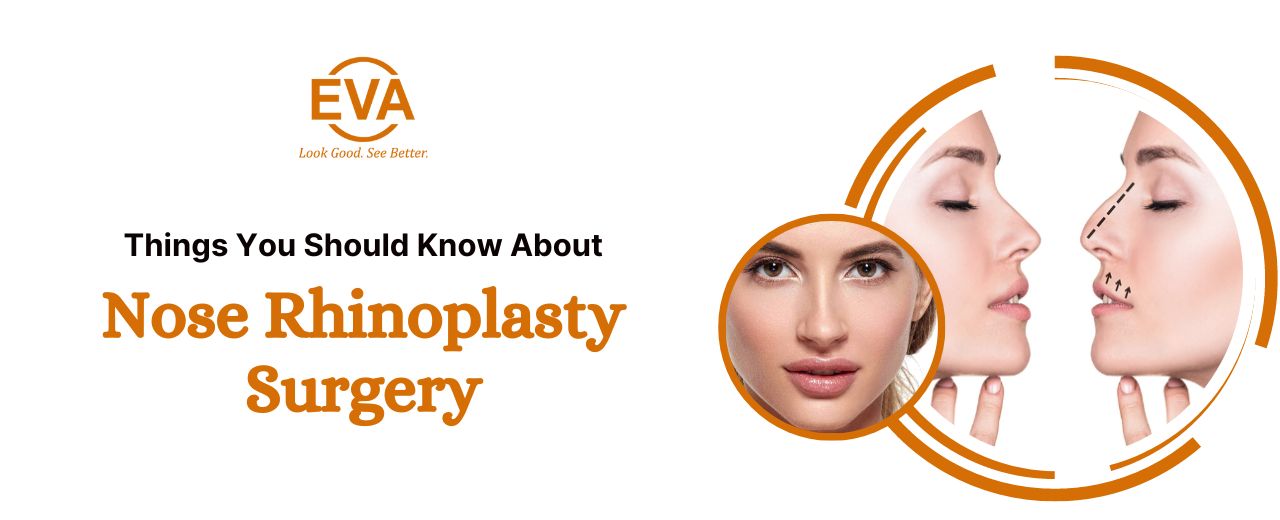
Rhinoplasty surgery, often referred to as a nose job, is a popular cosmetic procedure that aims to e
Read More
Having unwanted hair on the body always seems unpleasant for all women, especially during the summer
Read More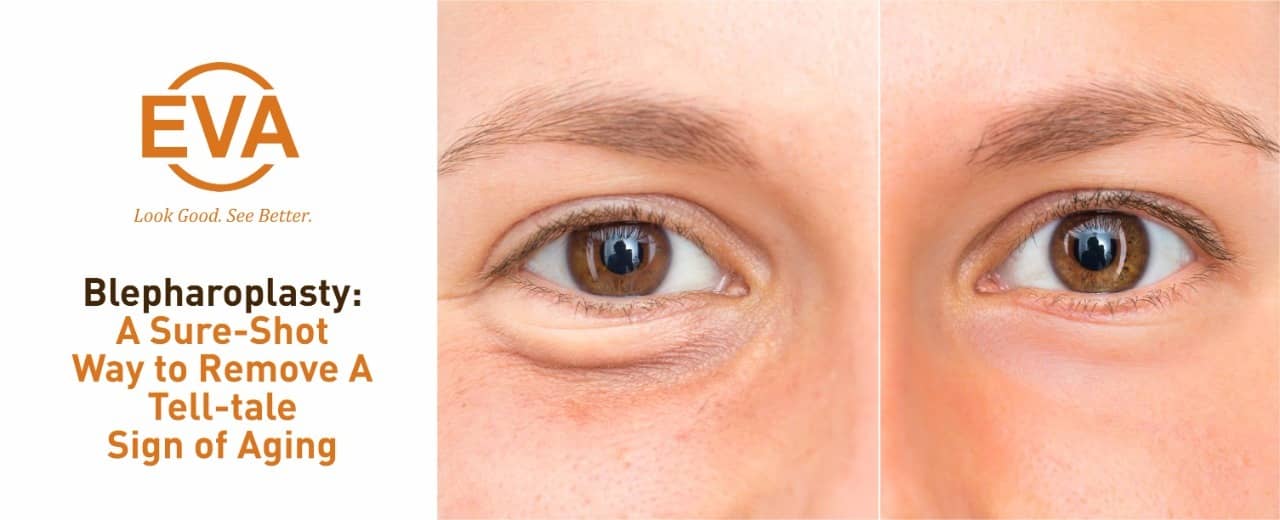
Do you think and believe that you are young and lively from the inside but your face and baggy skin
Read More
Have you been feeling self-conscious about new additions to your figure? Whether because of pregnanc
Read More
Of plastic surgeons, it can be said that they're messiahs waving a magic wand. No matter how dis
Read More
Tummy Tuck Surgery is one of the most popular options in plastic surgery today. It often leads to si
Read More
Hydrafacials are rejuvenating skin resurfacing treatments that are gentle on the skin. Acne, clogged
Read More
Our bodies change as we age, and those changes may include new wrinkles on our faces or cheekbones t
Read More
A mommy makeover aims to restore a woman's body shape and appearance after childbirth. Many wome
Read More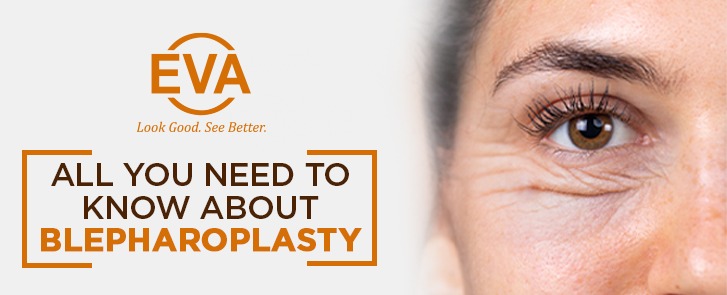
You're still happy, young, and energetic, but you've noticed that your eyes are telling a di
Read More
Hair loss is one of the most common problems that plague me and women across different ages hair los
Read More
Many men suffer from Gynecomastia. What is it? Do you have any idea? Well, Gynecomastia or ‘Ma
Read More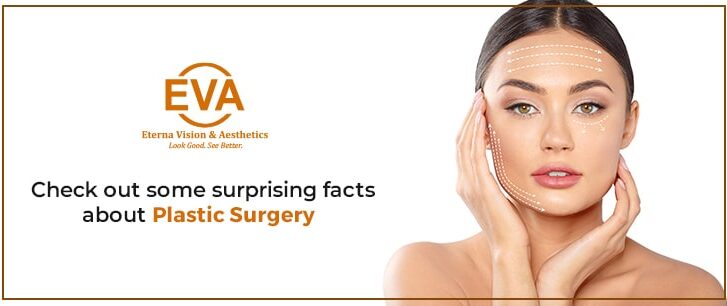
Planning for liposuction surgery? Are you thinking of getting Rhinoplasty? However, the thought of c
Read More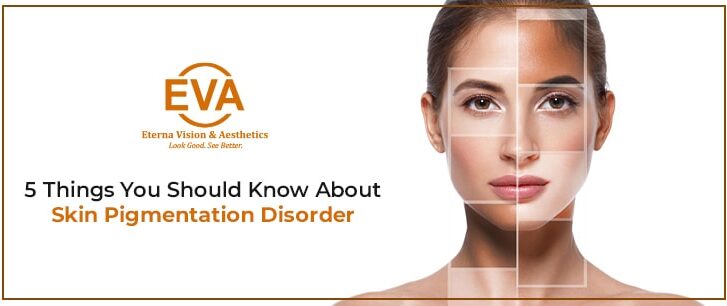
Have you ever thought about what makes the skin color of one person different from another? Well, ev
Read More
Don’t underestimate the power of a chemical peel. If you are worried about the fine lines
Read More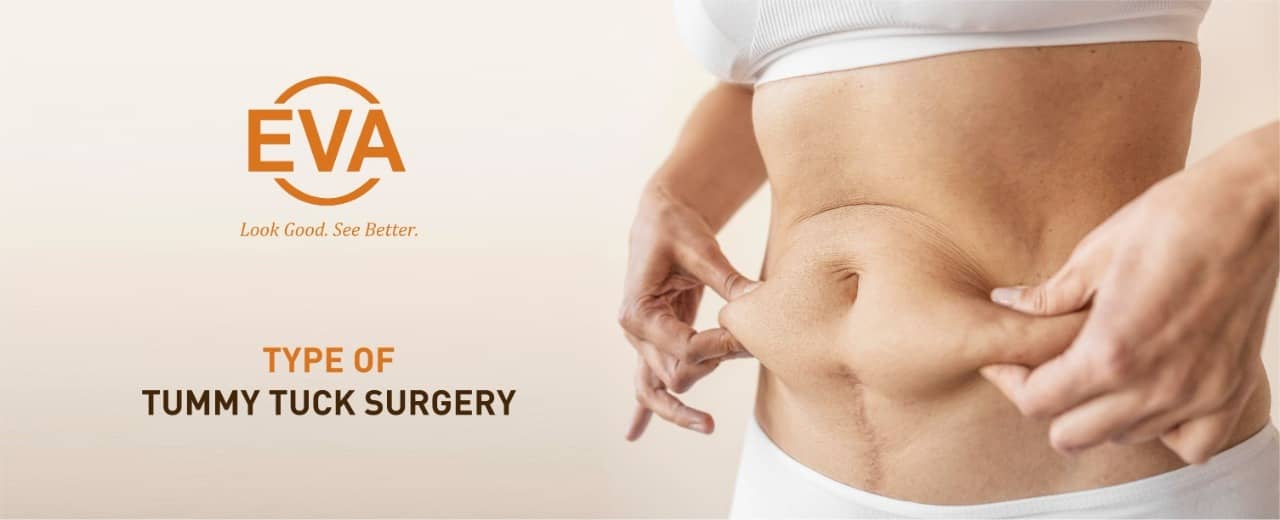
The cosmetic benefits of a tummy tuck are many. Also known as abdominoplasty, tummy tuck surgery inv
Read More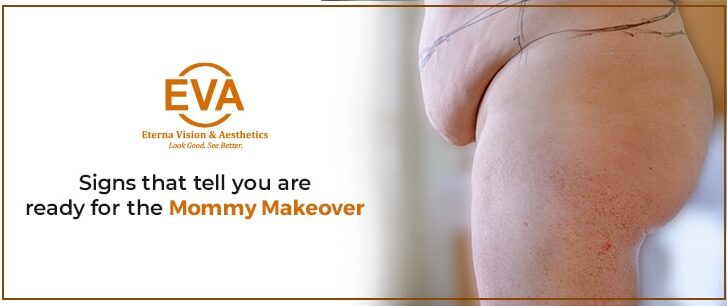
Bringing a new life into this world is amazing. It not only changes one’s life but also brings
Read More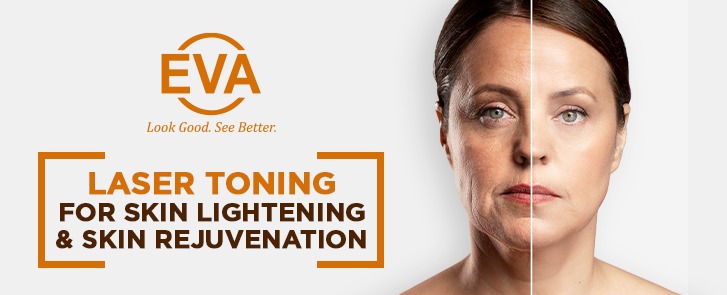
With time, our skin loses its elasticity, radiance, and glow. When exposed to regular pollution and
Read More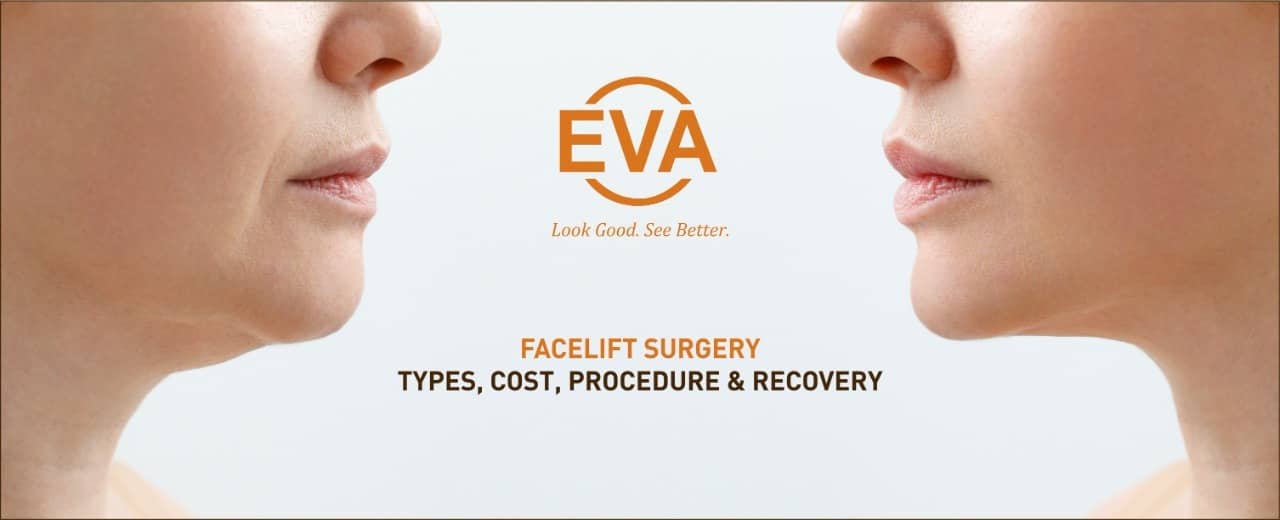
Facelift is a cosmetic procedure that helps improve the signs of aging in a patient's face or ne
Read More
Bollywood celebrities are constantly in the limelight and judged for their looks. The media and fans
Read More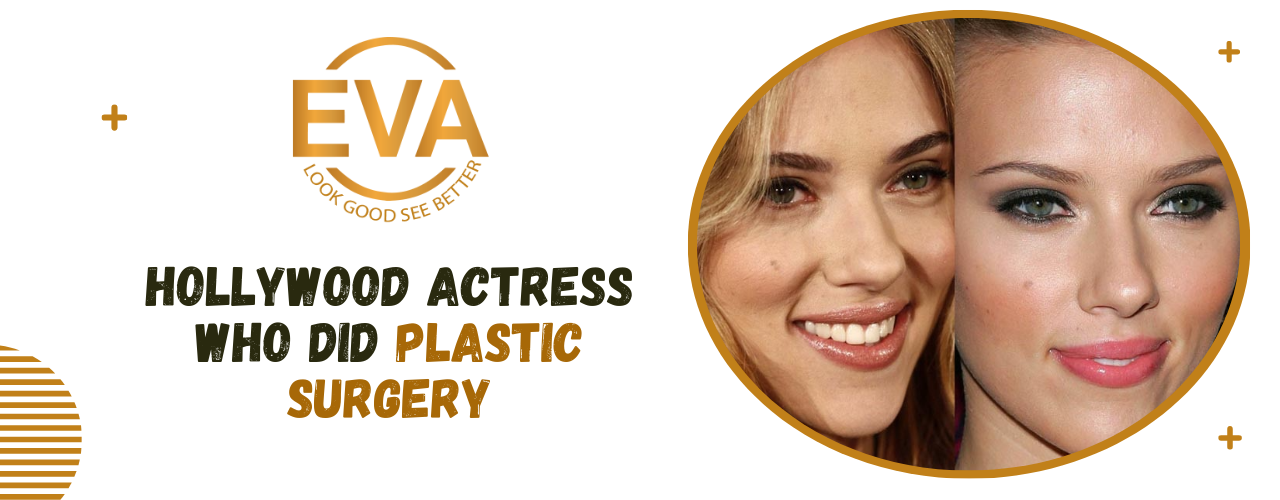
The showbiz world of Hollywood is a platform where beauty, talent, and style are celebrated. However
Read More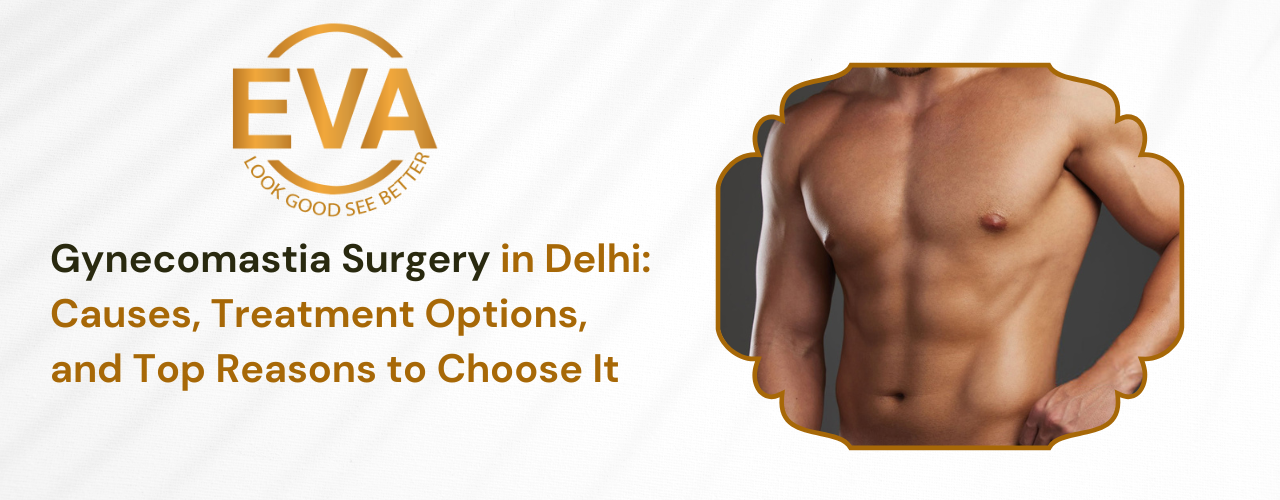
Gynecomastia is a condition that leads to enlargement in breast tissue in men. It primarily occurs d
Read More
Bollywood is a world of glamour and transformations. For Bollywood actresses, their image and their
Read More
Have you ever looked into the mirror and wished to have a perfectly contoured body? If yes, this is
Read More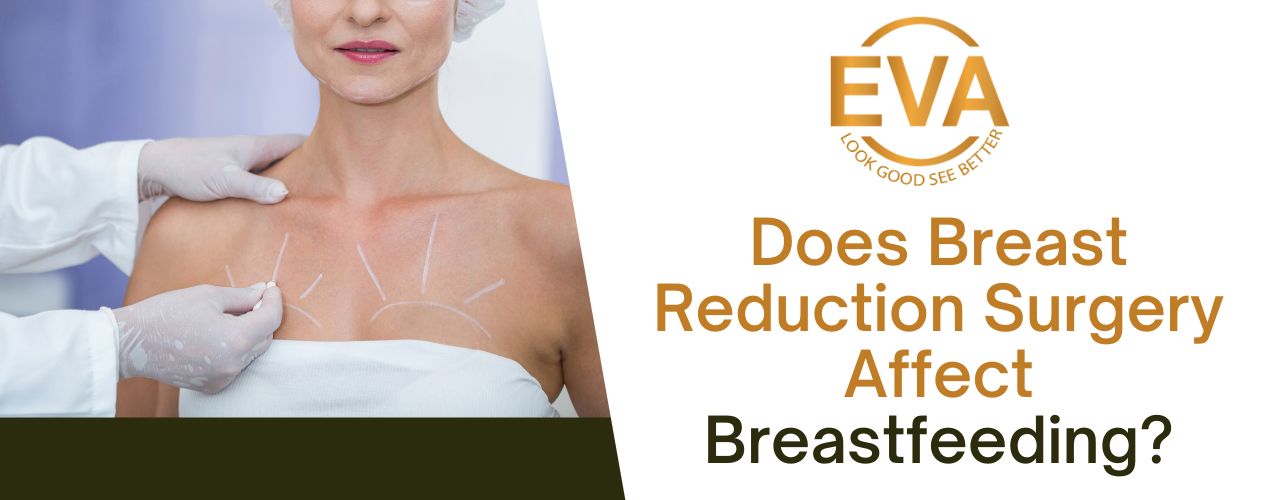
Before undergoing Breast Reduction Surgery in Delhi, people go through a lot of concerns. Are you so
Read More
Upper eyelid surgery known as blepharoplasty, is a cosmetic treatment to enhance the appearance of t
Read More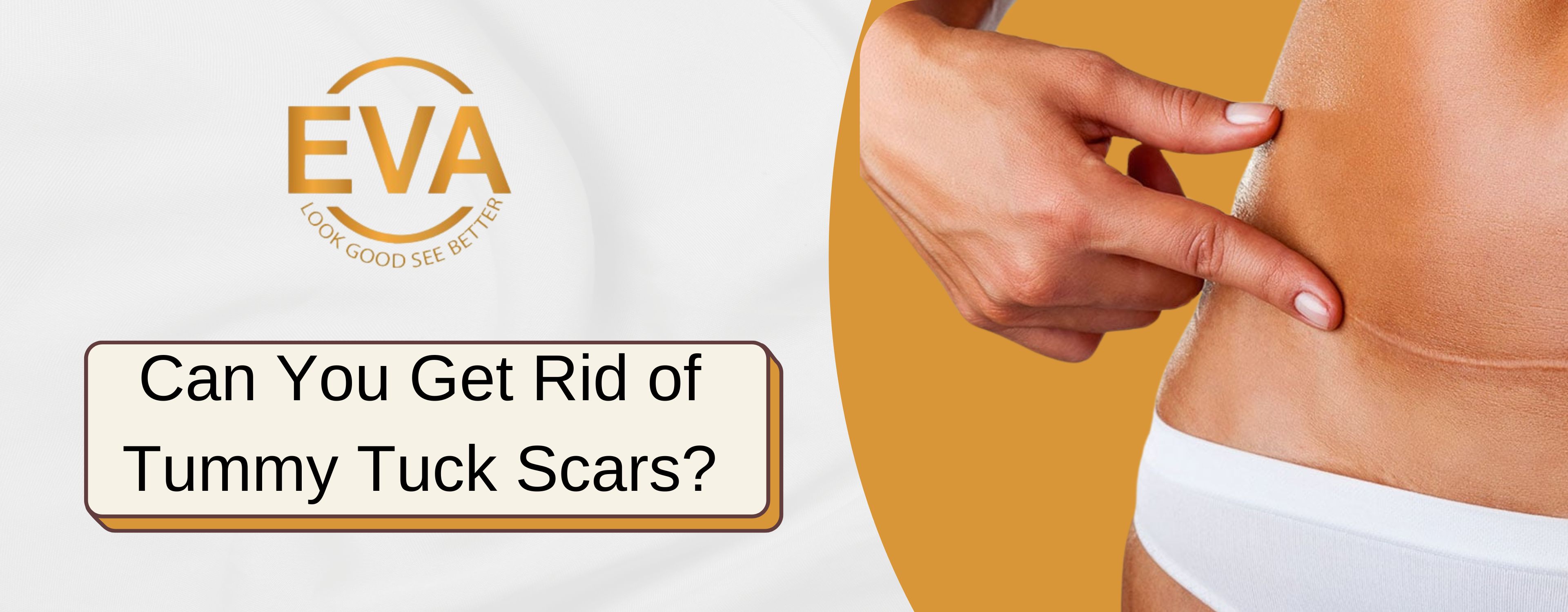
Abdominoplasty, known as tummy tuck surgery in India, is a popular cosmetic procedure for a contoure
Read More
If you are struggling with stubborn fat pockets and looking for the best way to get body contour and
Read More
Increasing breast size with breast augmentation is a major procedure that requires a lot of pre-surg
Read More
Mommy Makeover is one of the most popular plastic surgeries in the world. It is specifically designe
Read More
Bilateral gynecomastia is a common medical condition that is found in men and boys. It is the growth
Read More
In the glitzy world of Bollywood, looking perfect isn't just a goal — it's a requireme
Read More
Embarking on a new journey towards tummy tuck can be exciting. As you prepare to enhance the contour
Read More
If you're a woman over 40, you might be facing a common makeup challenge: applying mascara witho
Read More
Gynecomastia is often referred to as man boobs. It is a condition when breast tissues overdevelop in
Read More
A scar is a necessary part of any cosmetic surgery, be it a breast lift, arm lift, tummy tuck, or mo
Read More
For many women, being a mother is one of the most transformative experiences in their lives. It brin
Read More
Becoming a mother is the most rewarding experience of life. But both pregnancy and childbirth can ta
Read More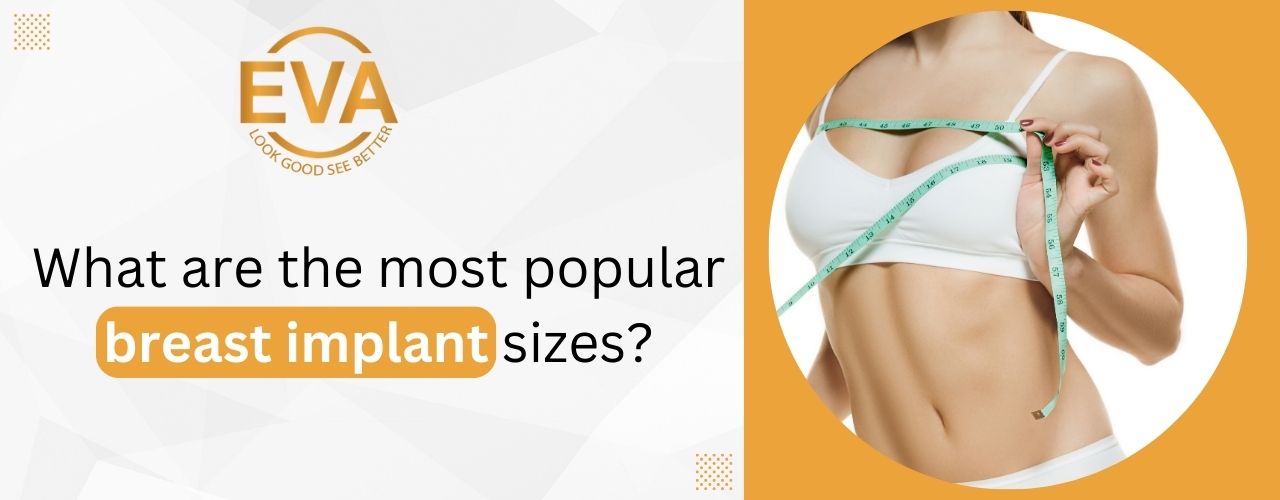
For the majority of the patients at Eterna Vision And Aesthetics, the primary concern they face whil
Read More
Gynecomastia is characterized by the development of excess glandular tissue in the male breasts. It
Read More
Plastic surgery in the year 2025 is all about subtle and natural-looking results. Are you curious ab
Read More
Traveling abroad for breast augmentation is becoming increasingly popular. The quality and affordabi
Read More
For Indians and people around the country, liposuction is becoming a very popular cosmetic surgery.
Read More
If you have excess droopy skin on the top of your eyelids or can no longer cover up the sagging bags
Read More
Abdominoplasty or tummy tuck surgery in Delhi is a major cosmetic surgery that removes excess skin a
Read More
Gynecomastia is a condition that causes enlargement in the male breast tissue due to hormonal imbala
Read More
Do you know that 40 % of adults in India struggle with obesity and seek weight loss surgery for a fl
Read More
Do you feel underconfident in your skin? Do you want to gain your self-confidence and self-esteem ba
Read More
India is a land of rich culture and ethnic diversity. One of the most striking examples of the disti
Read More
Abdominoplasty, also known as tummy tuck surgery in Delhi, is a procedure to remove excess fat and s
Read More
Both men and women struggle with hair removal, and traditional hair removal techniques are too time-
Read More
Liposuction in India is a cosmetic surgery that removes unwanted fat deposits from your body. If you
Read More
A tummy tuck, also known as abdominoplasty, is a very popular cosmetic surgery that is used to get a
Read More
If you are concerned about sagging upper arms, an arm lift surgery in Delhi can help you get a more
Read More
In an era where beauty is considered with high regard, there is a constant struggle to meet the beau
Read More
Laser hair removal in Delhi is a technique to get rid of unwanted body hair and offers a lasting sol
Read More
Skin pigment is the word used to describe the skin's natural colour based on the distribution an
Read More
Breast size is often a hot conversation topic among people. And one of the hot topics that women oft
Read More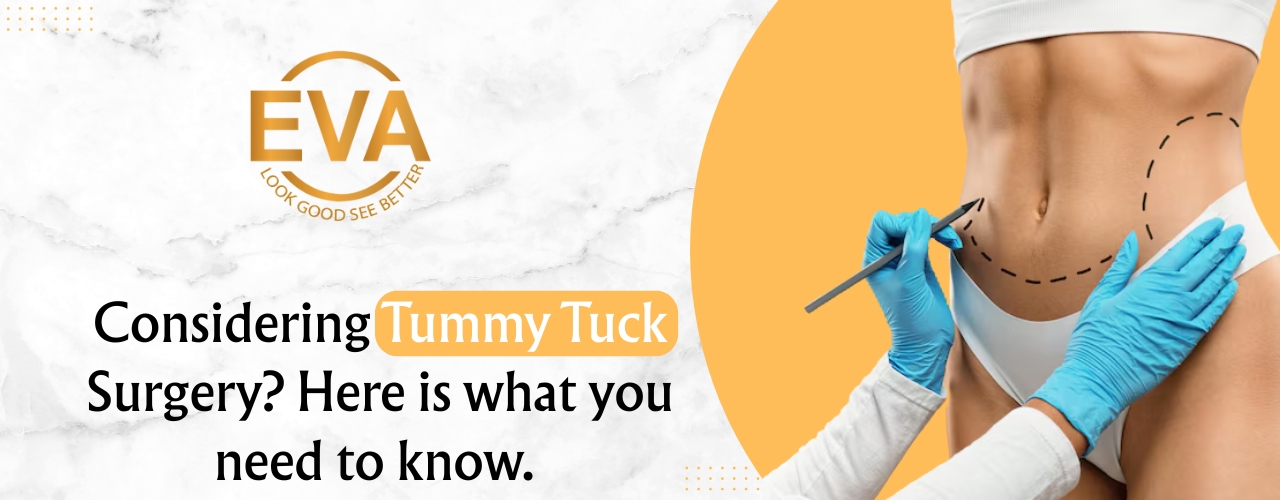
Are you unable to get rid of a bulging belly? Have you ever considered tummy tuck surgery in Delhi?
Read More
Lip reduction surgery is offered to people who want to enhance their facial appearance. Lip reductio
Read More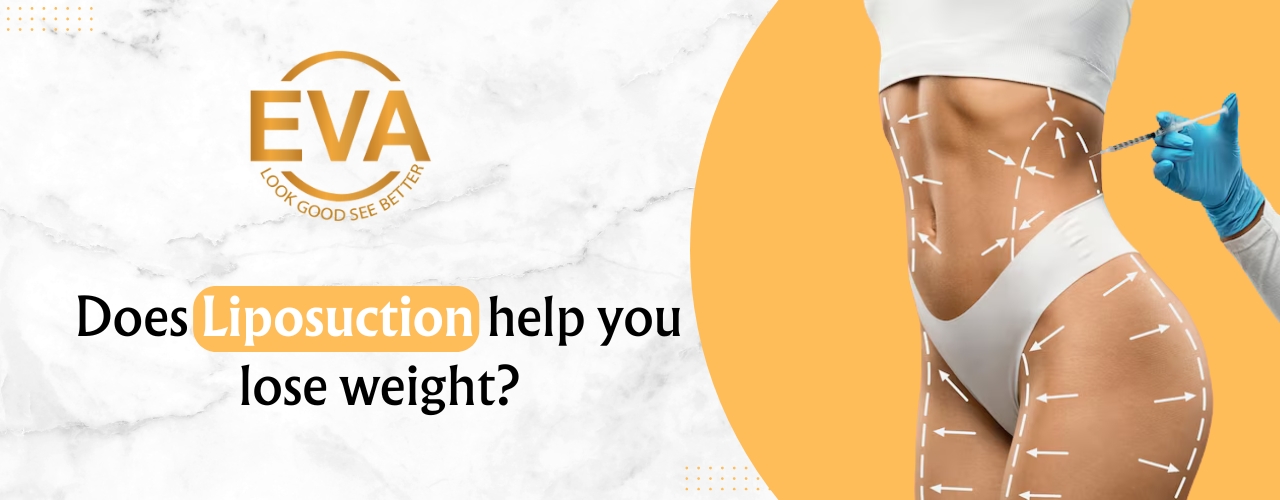
Liposuction surgery in Delhi is a cosmetic surgery that helps you get rid of stubborn fat. But is it
Read More
Double eyelid surgery in Delhi, also known as Asian Blepharoplasty, is a surgical procedure pe
Read More
Dermal fillers for the face are a very popular cosmetic treatment that can be used to achieve beauti
Read More
In the fast-paced hustle of Delhi, where time is always in short supply and self-care often takes a
Read More
Thinking about getting breast implants in Delhi and wondering how pregnancy may affect the results?
Read More
Can you imagine living in the public eye where media people constantly judge your looks and appearan
Read More
Breast reduction surgery in Delhi relieves the discomfort associated with large breasts. The s
Read More
One concern that some women face with plastic surgery is the scars they are left with. Breast reduct
Read More
Gynecomastia refers to the overdevelopment of breasts in men, which can bring both physical and aest
Read More
Breast implants and pregnancy hold separate importance in the life of a woman. The desire of a propo
Read More
Liposuction is no doubt one of the most popular cosmetic surgeries and is also one of the safest sur
Read More
Are you planning a breast augmentation in Delhi and wondering which Motiva® breast implant profi
Read More
Looking for a natural-looking breast augmentation in Delhi? The latest trend in cosmetic surgery&mda
Read More
It is hard to classify trends regarding body parts, but we routinely see a change in aesthetic goals
Read More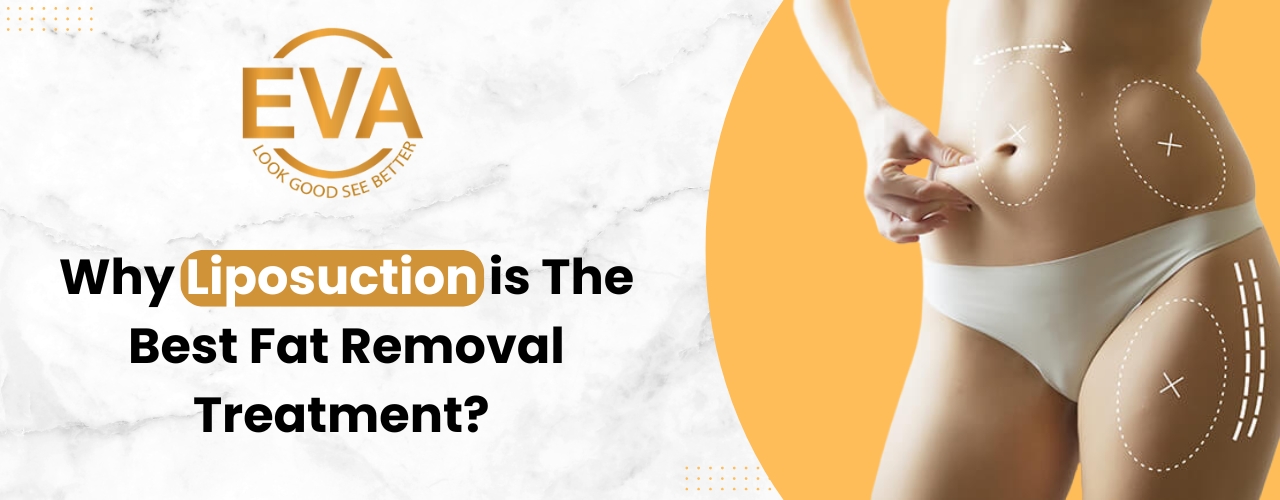
When it comes to body contouring, there are endless options available today. From non-surgical fat-f
Read More
Breast asymmetry or uneven breasts refers to a condition where one breast is different in size or sh
Read More
Pregnancy is a beautiful journey and brings immense joy to a woman's life. Along with it, it als
Read More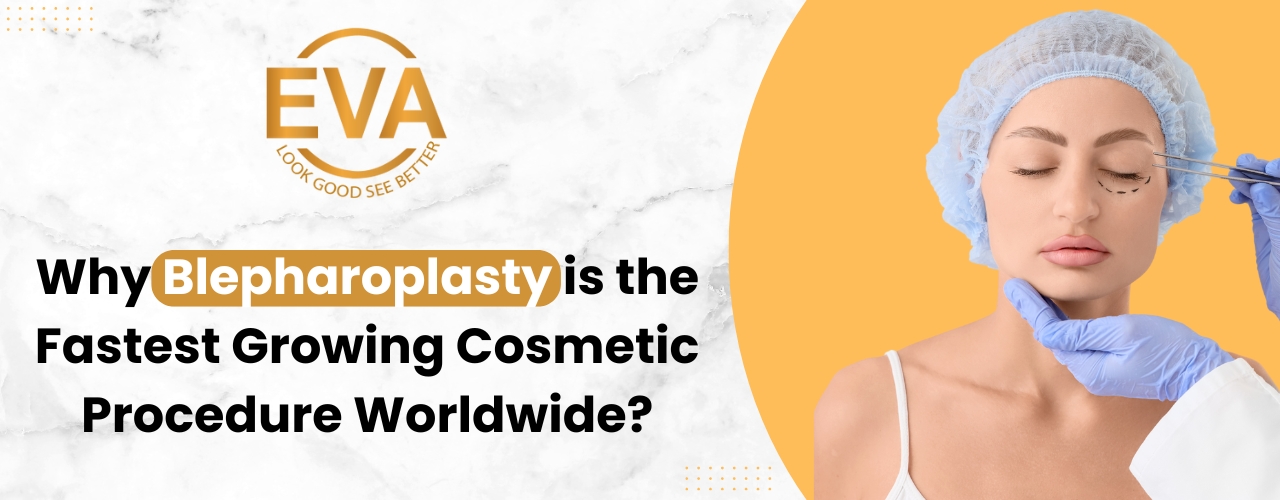
Cosmetic surgery is no longer a luxury. It has become a mainstream choice for millions of people wor
Read More
A breast lift or mastopexy is more than just a cosmetic procedure; it is a step to restore your body
Read More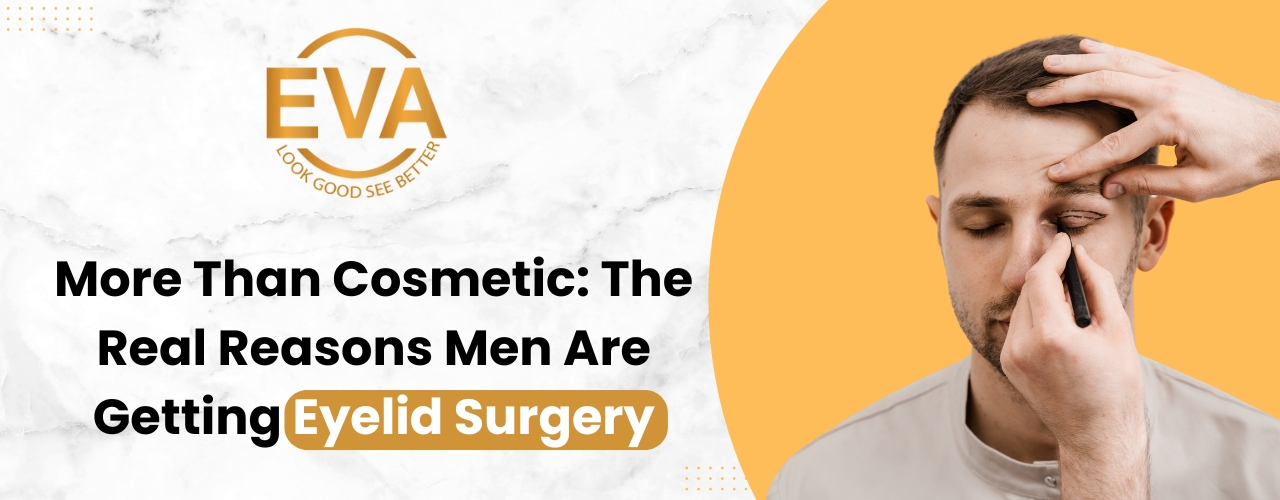
Lines around the eyes or drooping eyelids make a person look old and worn out. This impacts many men
Read More
Breast augmentation surgery in India continues to evolve, and in 2025, Motiva breast implants are he
Read More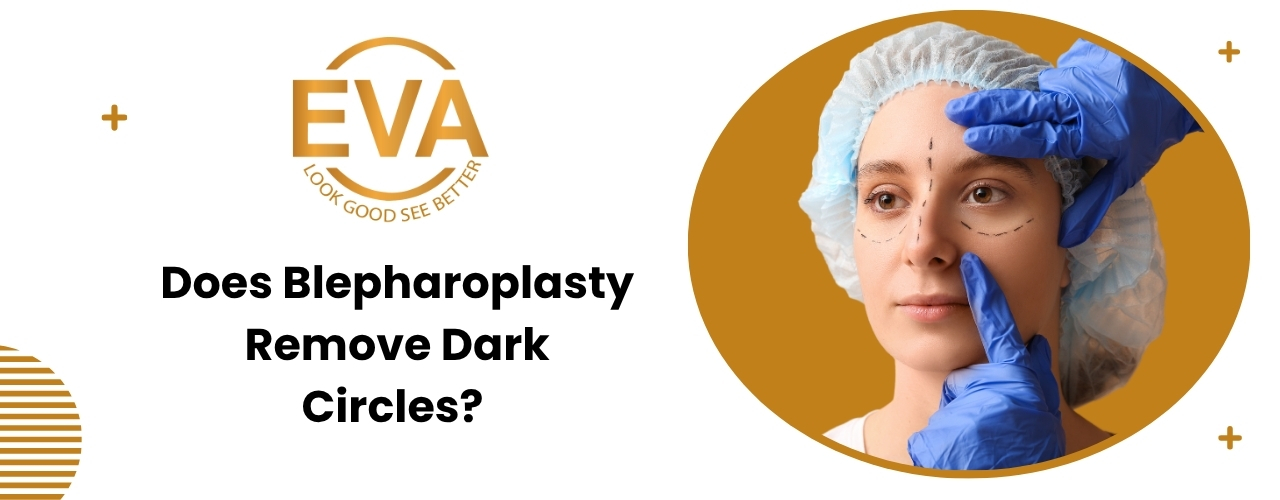
Dark circles under the eyes can make a well-rested face look tired, and they are one of the most com
Read More
Many men silently struggle with gynecomastia, a condition in which excess glandular tissue or fat le
Read More
Parent or teen reading this? You’re not alone. Adolescent macromastia (huge breasts in teens)
Read More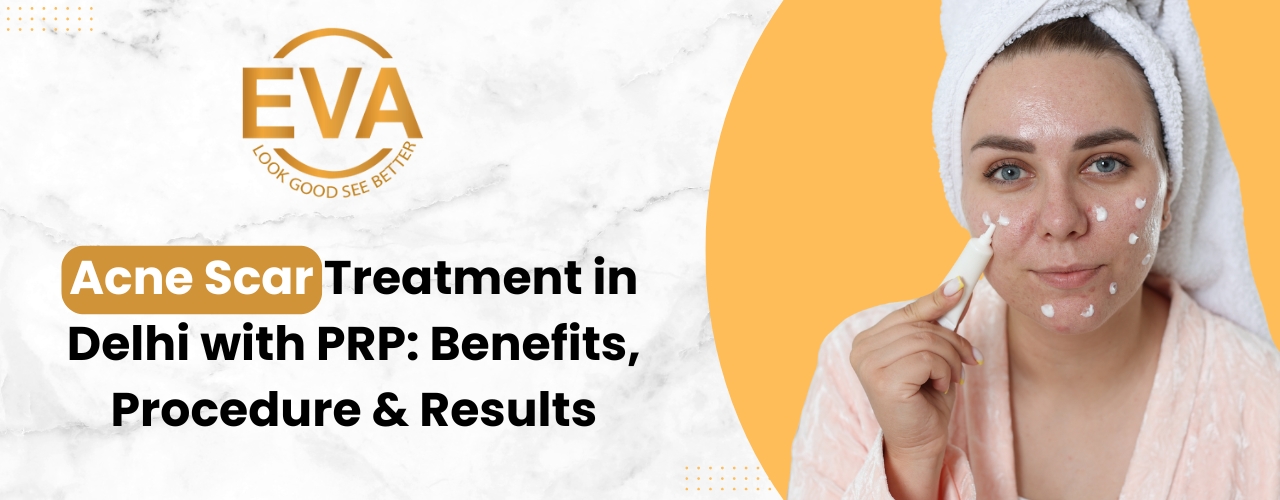
Acne can be extremely tough to deal with, especially when you are a teenager. But what is more frust
Read More
In today's busy world, many people dream of getting a toned body but struggle a lot to find time
Read More
For years, cosmetic surgery has been associated with dramatic transformations like large breast impl
Read More
Eyes are the window of the soul, and this proverb clearly highlights their importance. The skin and
Read More
Breast reduction surgery, also known as reduction mammoplasty, is a standard procedure done either f
Read More
In today's world, everyone wants a body that looks toned and sculpted. Yet our busy schedule and
Read More
Breast implant surgery in Delhi is one of the most popular cosmetic procedures worldwide. Many women
Read More
Over time, pregnancy, breastfeeding and aging can cause the breasts to lose their firmness and youth
Read More
Liposuction has become one of the most popular plastic surgeries over the past two decades. The popu
Read More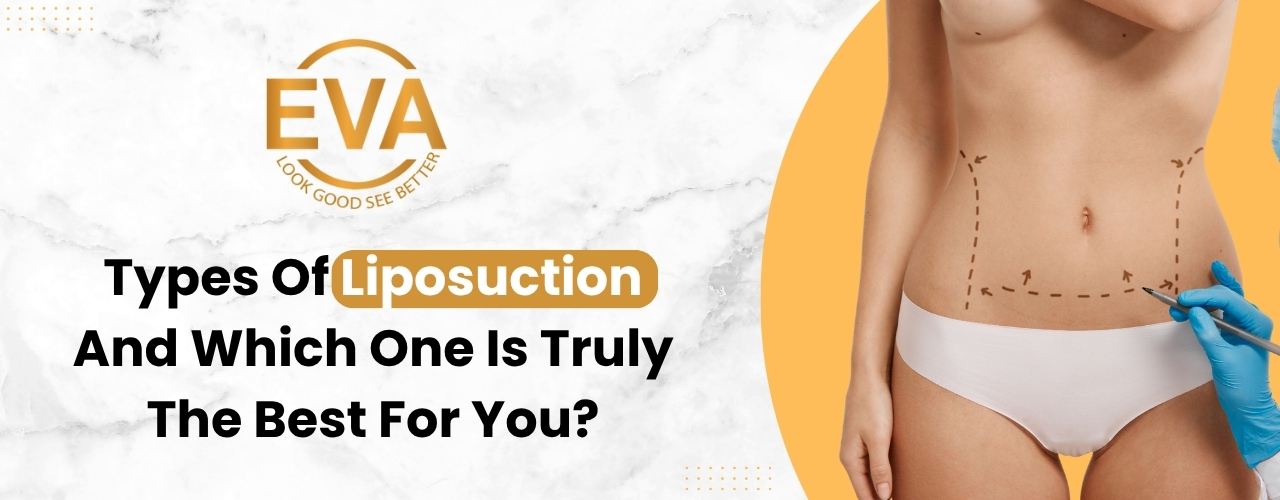
When it comes to sculpting and refining the silhouette, liposuction surgery in Delhi is not a one-si
Read More
When it comes to breast reduction surgery, choosing the right hospital is more than just expertise;
Read More
Female breasts are symbols of femininity , sacred symbols of motherhood, yet they are not always a s
Read More
Gynecomastia is the enlargement of male breast tissue that is far more common than people realize. I
Read More
How would you feel if you were finally able to get rid of chronic back pain and daily discomfort cau
Read More
Eyelid surgery medically known as blepharoplasty has evolved significantly over the years. In 2026,
Read More
Breast Implant surgery has advanced over the years, with a strong focus on safety and natural result
Read More
By Hiranmayi Jha Breast augmentation surgery in Delhi has become a hot topic in the image world n
Read More
If you are a man dealing with a puffy chest, you might wonder what can be the cause behind it. Gynec
Read More
Losing a significant amount of weight is a huge achievement. Whether it happens through diet m exerc
Read More
In the evolving world of aesthetic surgery, abdominoplasty also known as tummy tuck surgery continue
Read More
Millennials are redefining beauty standards. Unlike previous generations, they are not looking for d
Read More
In recent years, breast reduction surgery, also known as reduction mammoplasty, has become very comm
Read More
In a city that moves fast and flawlessly like Delhi, self-care is no longer an indulgence; it is a n
Read More
By Dr. Hiranmayi Jha: Leading plastic surgeon in Delhi specializing in breast augmentation with adva
Read More
Upper eyelid surgery, medically known as blepharoplasty, is one of the most commonly performed cosme
Read More
By Dr. Hiranmayi Jha: An experienced cosmetic surgeon at Eva Clinic, specialises in breast augmentat
Read More
Medically Reviewed By: Dr Hiranmayi Jha Plastic & Cosmetic Surgeon EVA – Eterna Visi
Read More
Breast augmentation surgery in Delhi is among the most performed cosmetic surgeries in the world and
Read More
It is an obvious concern for most patients who undergo gynecomastia surgery. What will be the result
Read More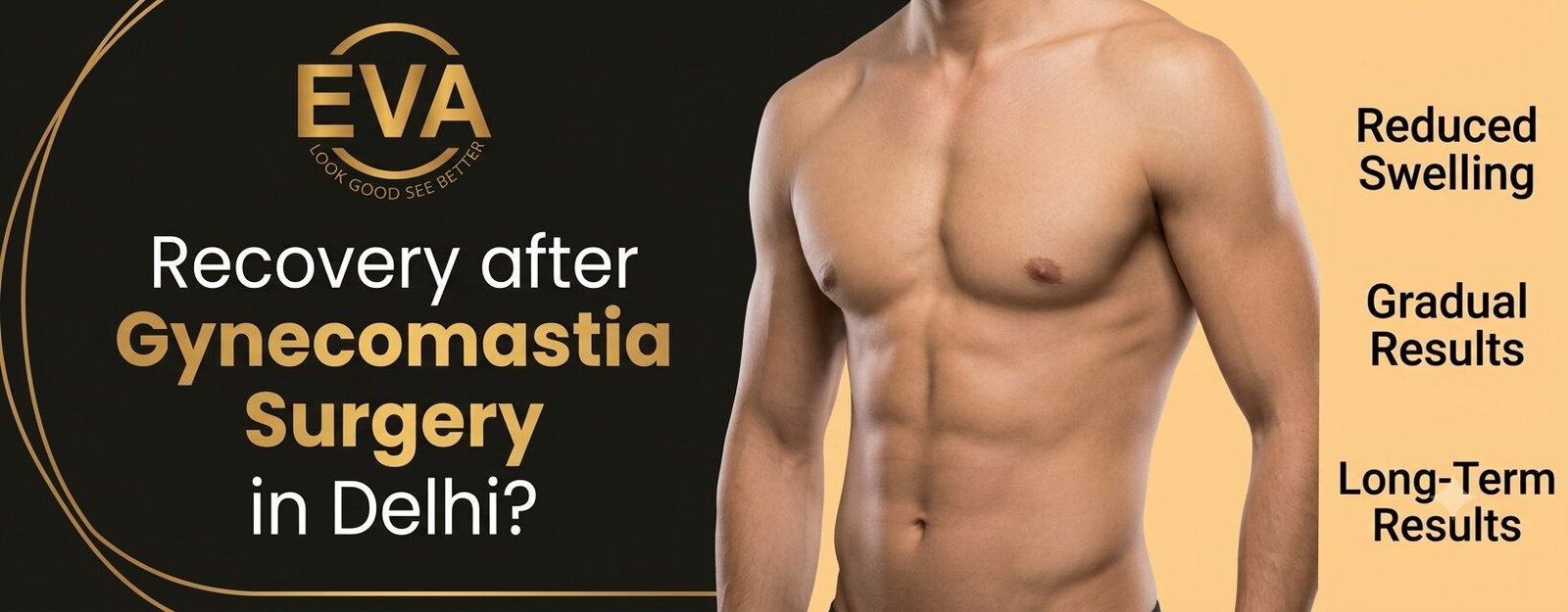
For many men, gynecomastia can affect self-confidence and make most activities uncomfortable. Fortun
Read More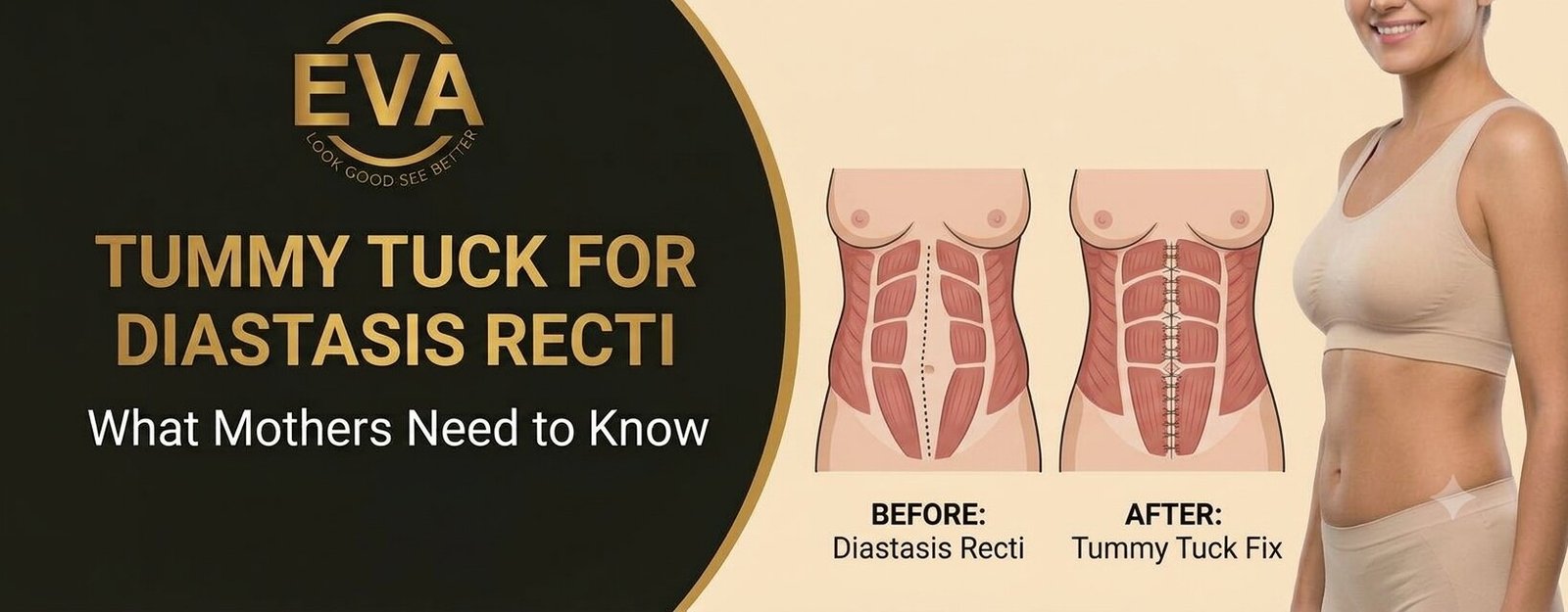
Pregnancy changes your body in many ways. While some women regain their pre-pregnancy shape, others
Read More
For many men, enlarged breast tissue is not a cosmetic concern. It can make men feel uncomfortable i
Read More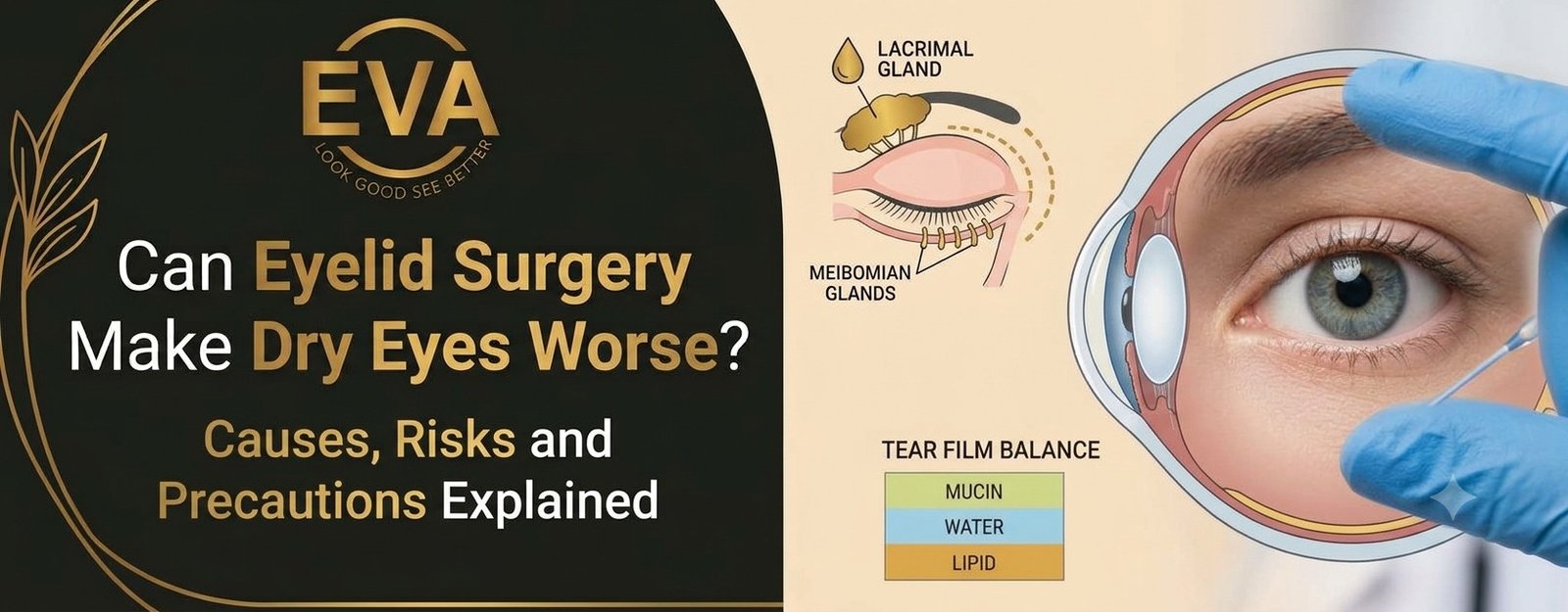
Eyelid surgery can make your eyes look younger and more refreshed by removing excess skin and fat fr
Read More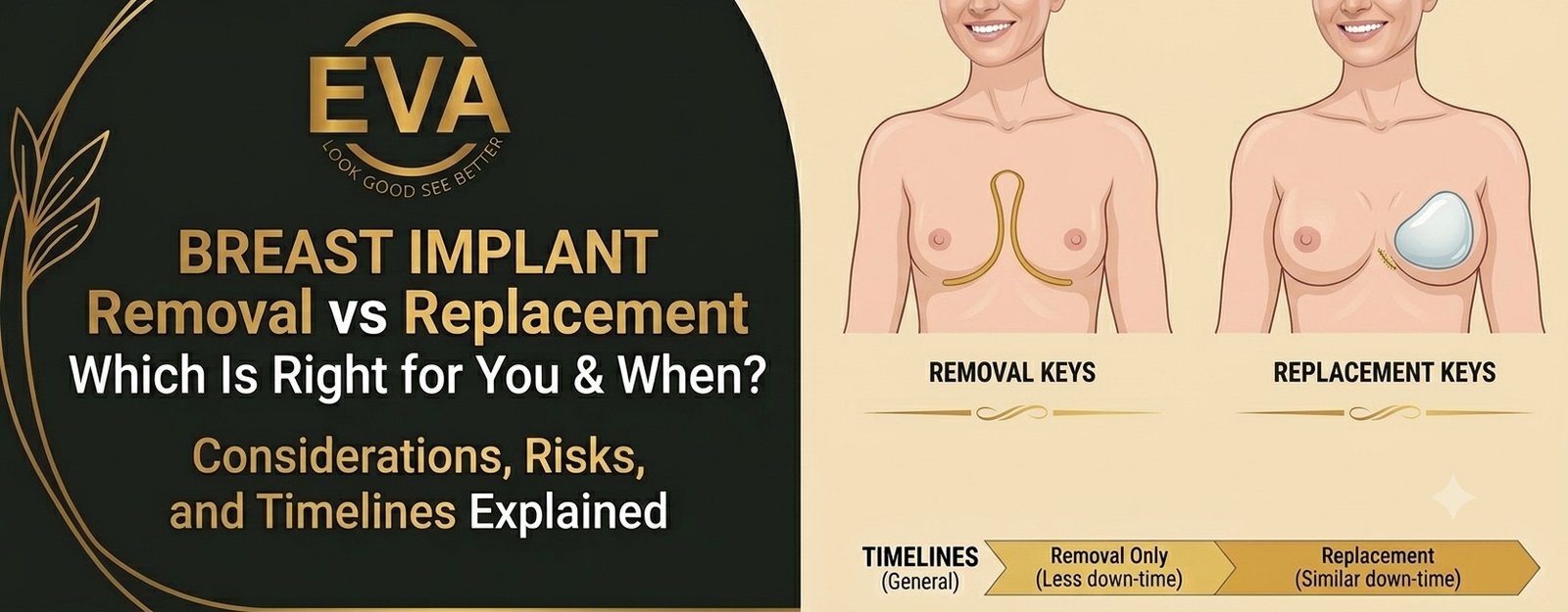
Breast implants can enhance breast volume, shape and overall body proportions. However, your prefere
Read More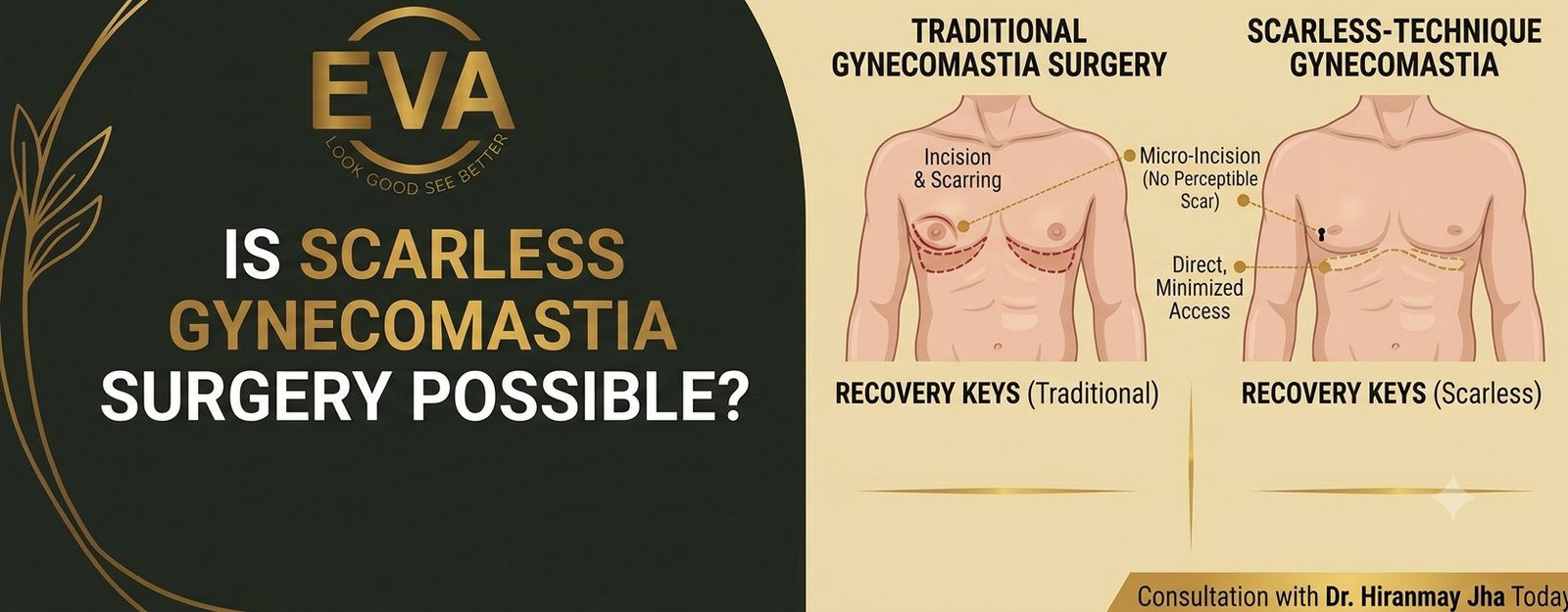
For many men considering gynecomastia surgery in Delhi, the biggest concern is not about removing ex
Read More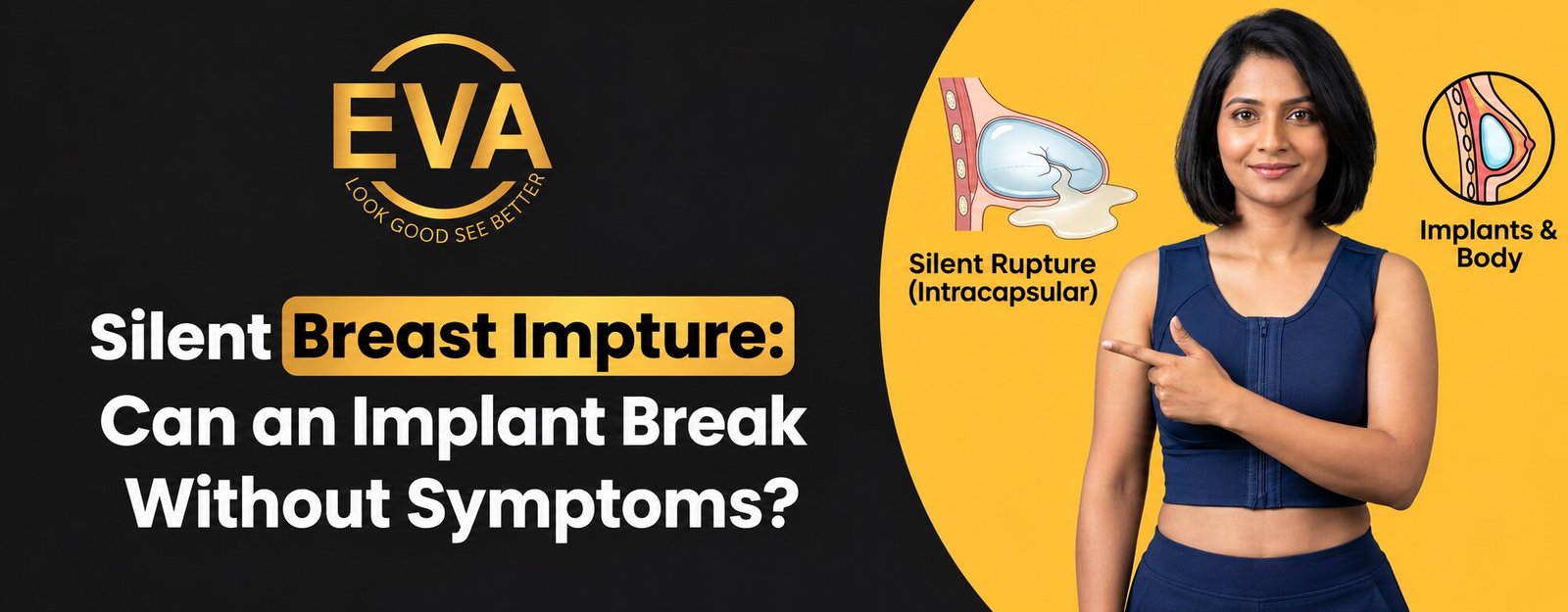
Breast implants are designed to be durable, but they are not lifetime devices. Over time, an implant
Read More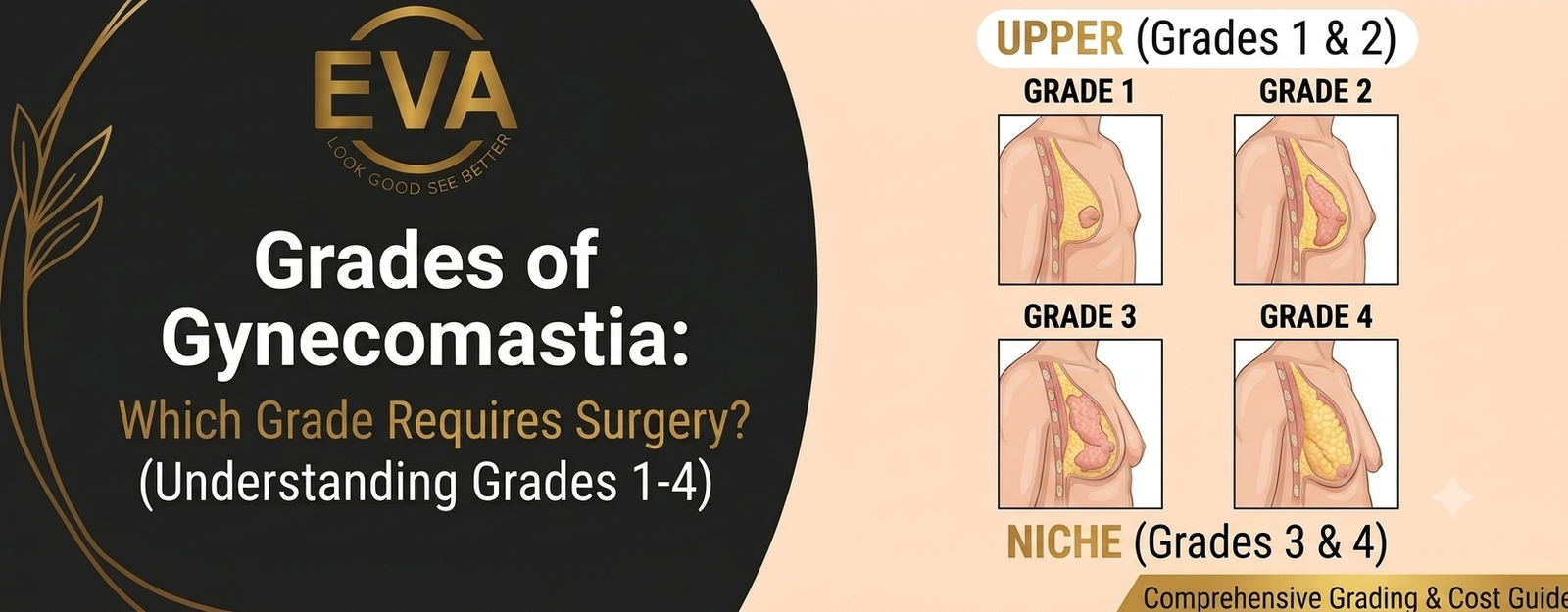
Not all men with gynecomastia have the same chest appearance. Some notice slight puffiness around th
Read More
Losing a significant amount of weight with medications like Ozempic or Monjaro can be a major milest
Read More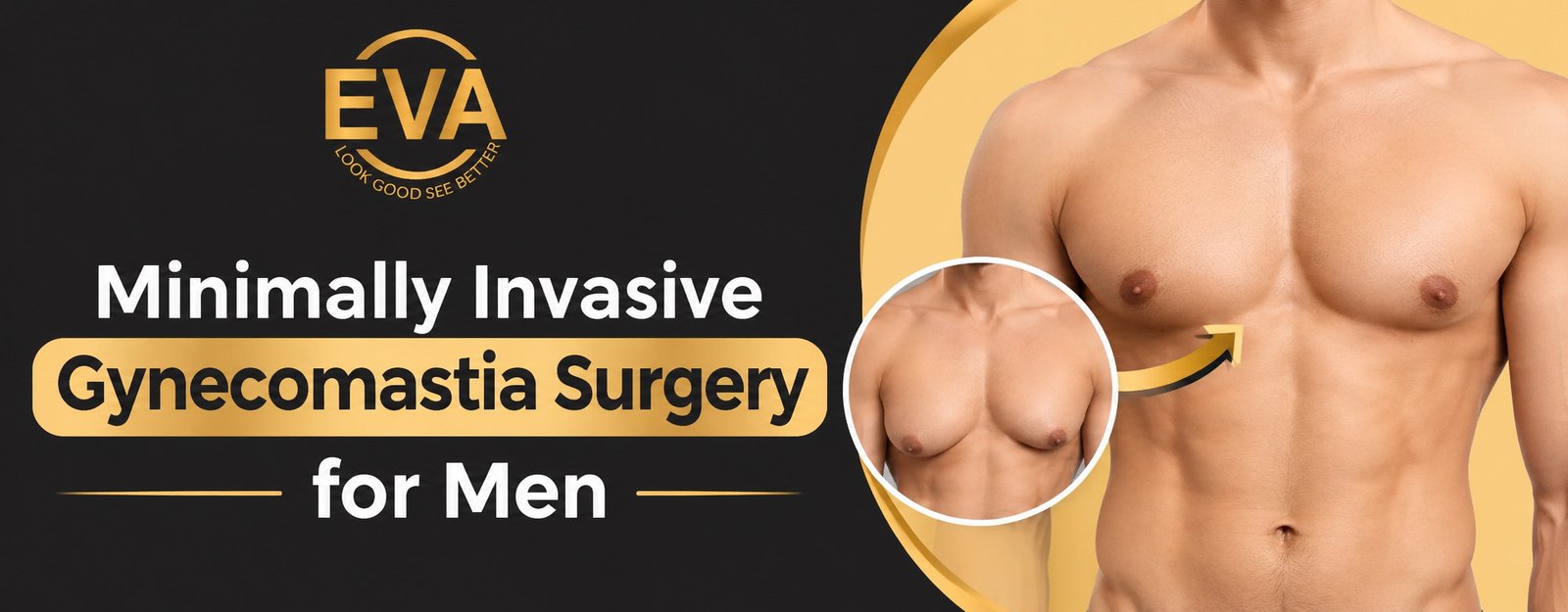
For many men considering gynecomastia surgery, the biggest concern is not about removing excess ches
Read More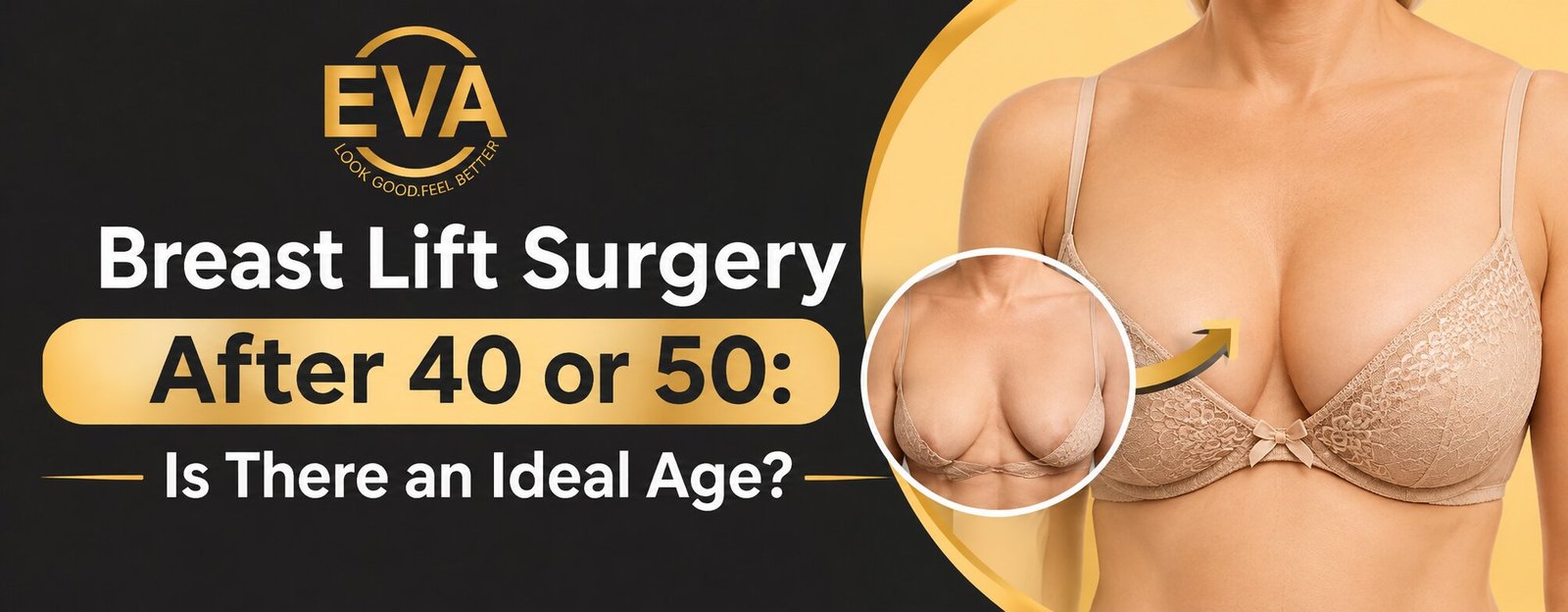
Many women notice changes in their breasts as they enter their 40s and 50s. Breasts that once seemed
Read More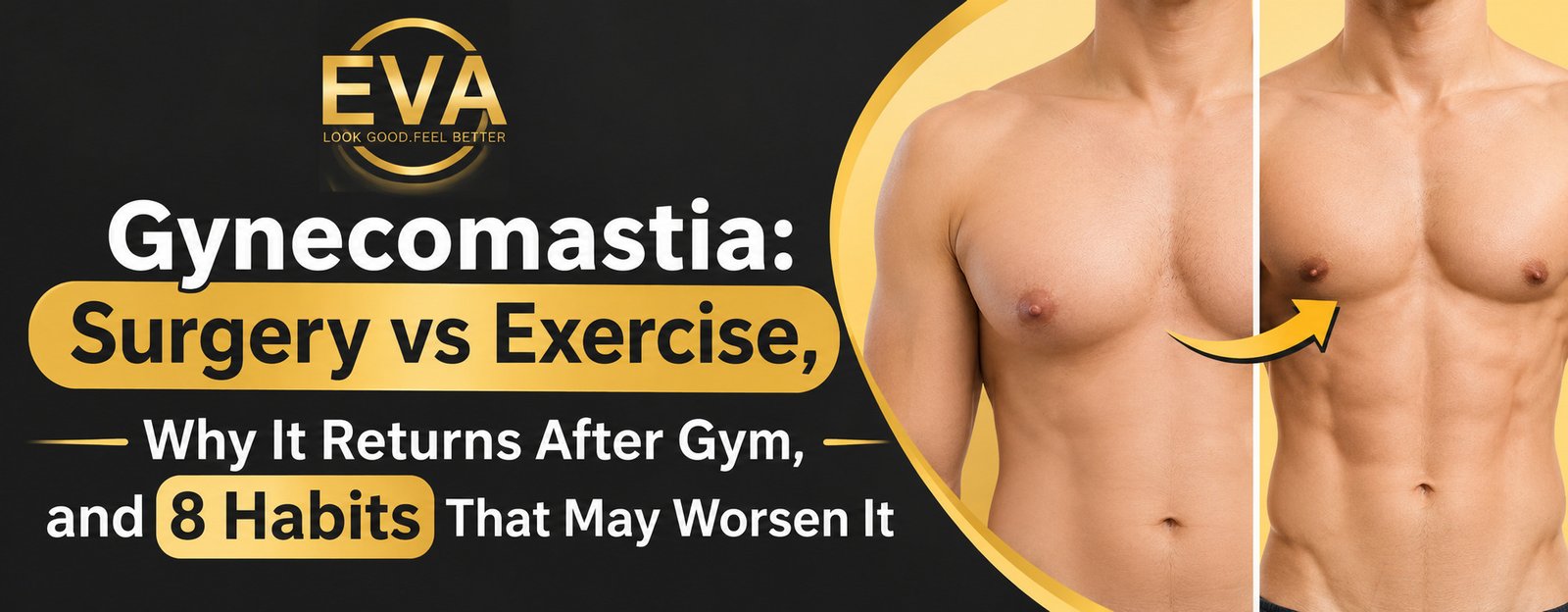
Many men with gynecomastia try to fix it at the gym first. Some see improvement, while others find t
Read More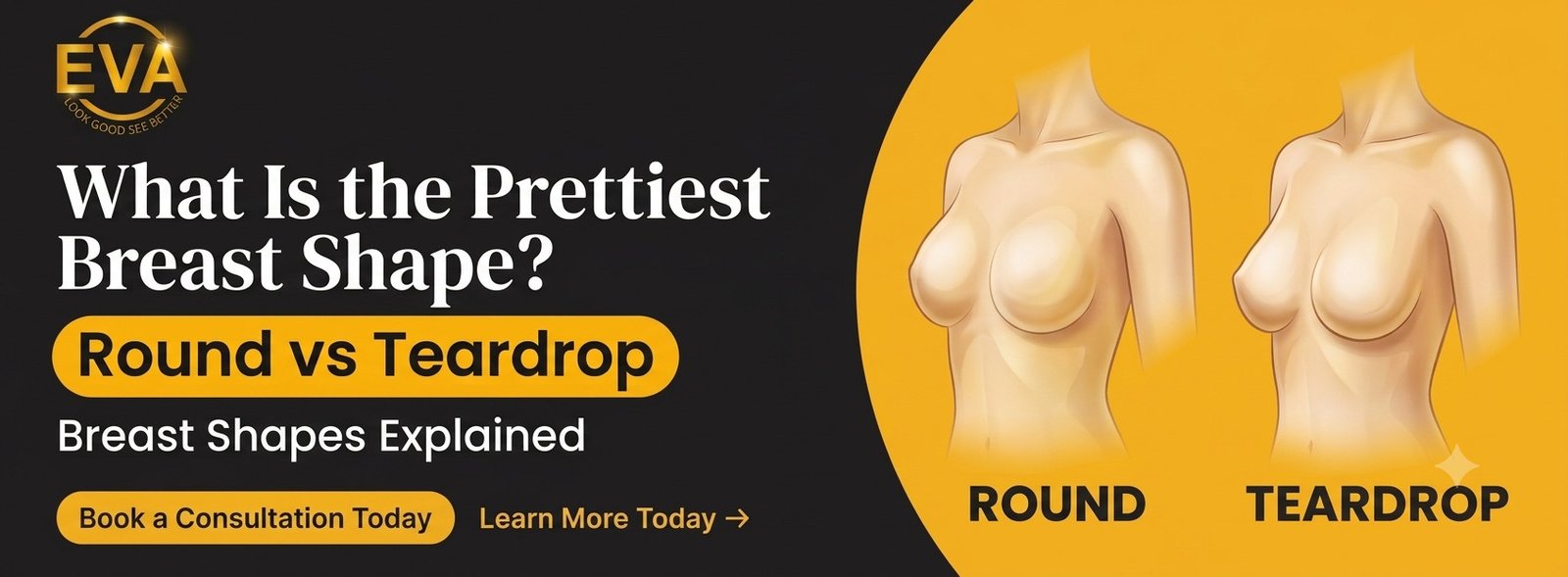
What makes a breast look beautiful? Is it their size, symmetry or natural shape? Some women prefer r
Read MoreWe are here to assist you

